
பேயர் ஃபார்ம்ரெய்ஸ் ஆப் நிறுவவும்
நிபுணத்துவ விவசாய தீர்வுகளுக்கு!
ஆப் நிறுவவும்
பேயர் ஃபார்ம்ரெய்ஸ் ஆப் நிறுவவும்
நிபுணத்துவ விவசாய தீர்வுகளுக்கு!
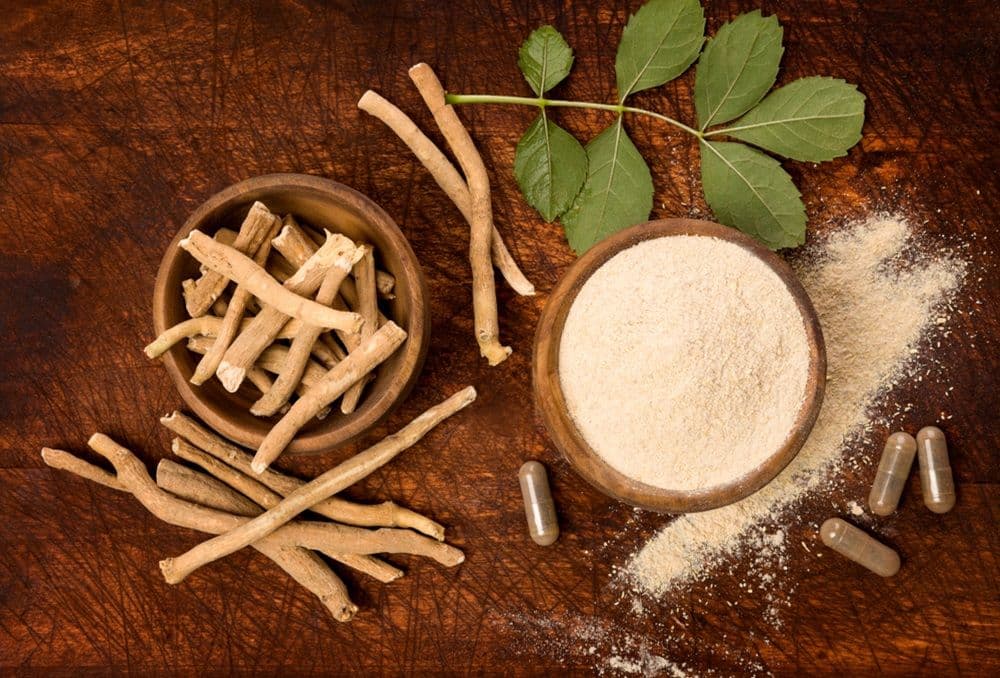
Ashwagandha, also called "Indian Ginseng" or "Winter Cherry," is one of the most important medicinal herbs in Ayurveda. Its roots and leaves have been used for thousands of years to rejuvenate the body, strengthen immunity, and reduce stress. Today, it is in high demand in pharmaceuticals. Cultivating Ashwagandha can provide farmers with high returns, especially in dry and rainfed regions . “The Ministry of AYUSH is supporting cultivation of medicinal plants on farmers' land across the country by providing subsidy of 30%, 50% and 75% of the cultivation cost for 140 medicinal plants depending upon availability and market demand as per the operational guidelines of the scheme. For the cultivation of Ashwagandha, a subsidy of 30% per hectare is given at a maximum of Rs 10980 on a unit cost of Rs 36602.Along with this, farmers can also take advantage of the facility provided by the state government.” For more update visit: https://www.myscheme.gov.in/schemes/aasfsv
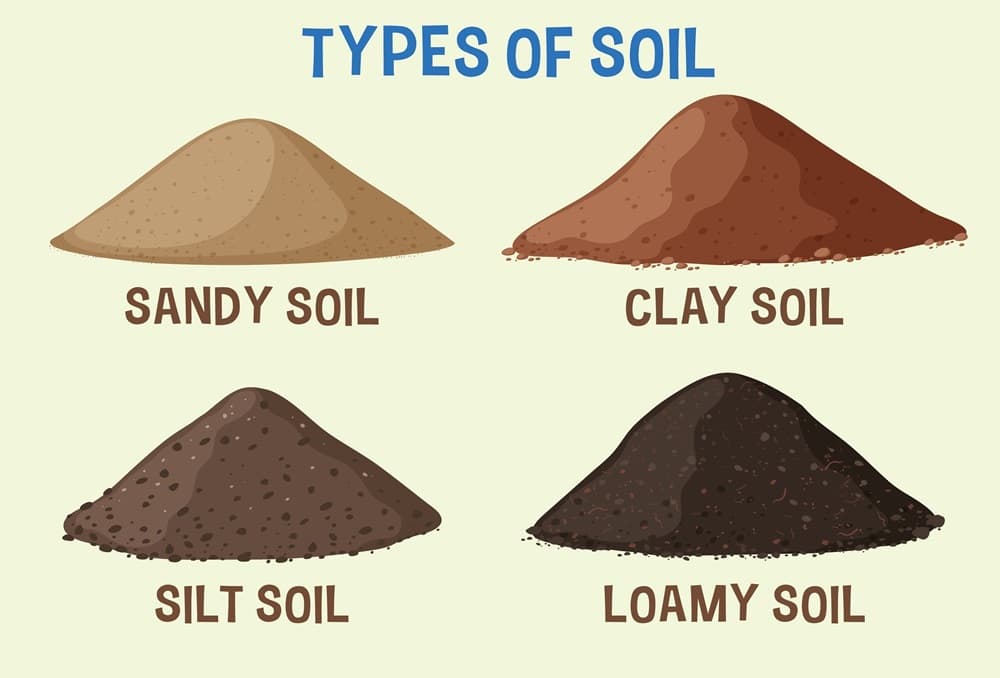
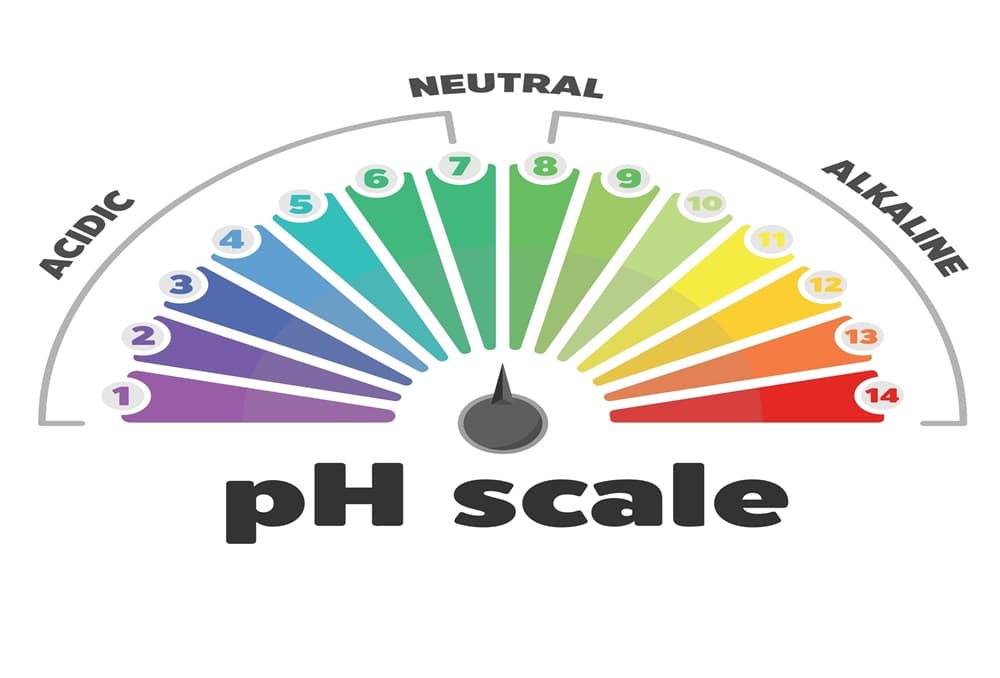
👉🏽 Climatic 🌵Being a drought-tolerant crop, Ashwagandha is ideal for rainfed farming. 🌧️Rainfall: Requires low to moderate rainfall (600–750 mm annually). Too much water or humidity increases disease risk. 🌡️It prefers dry conditions with temperatures ranging from 20–35°C. 👉🏽 Soil: 🟫Best suited to sandy loam, red, or light black soils with good drainage. 🌓Soil pH: 7.0–8.0. 🟫Heavy clay soils should be avoided as they restrict root growth.
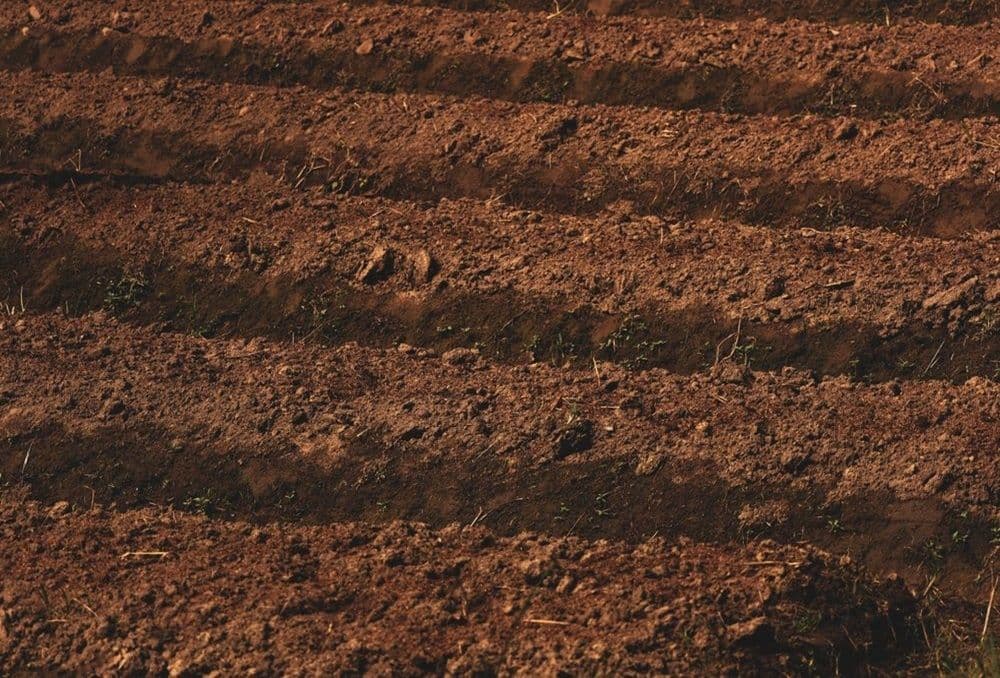
🚜Plough the field 2–3 times until fine tilth is achieved. 🌿Level the land and remove weeds/stones. 👨🌾Apply 5–10 tonnes FYM (Farm Yard Manure) per hectare before the last ploughing.
.jpg&w=1080&q=75)

🫘Use high-quality, disease-free seeds. 👍Treat seeds with Fungicides to prevent fungal infections.
.jpg&w=1080&q=75)
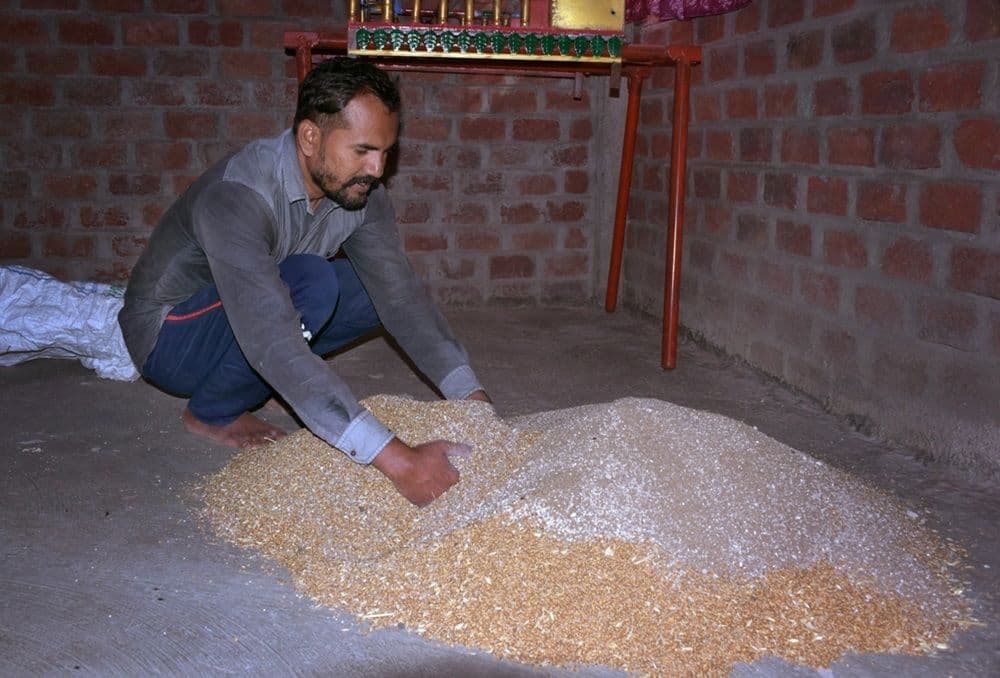
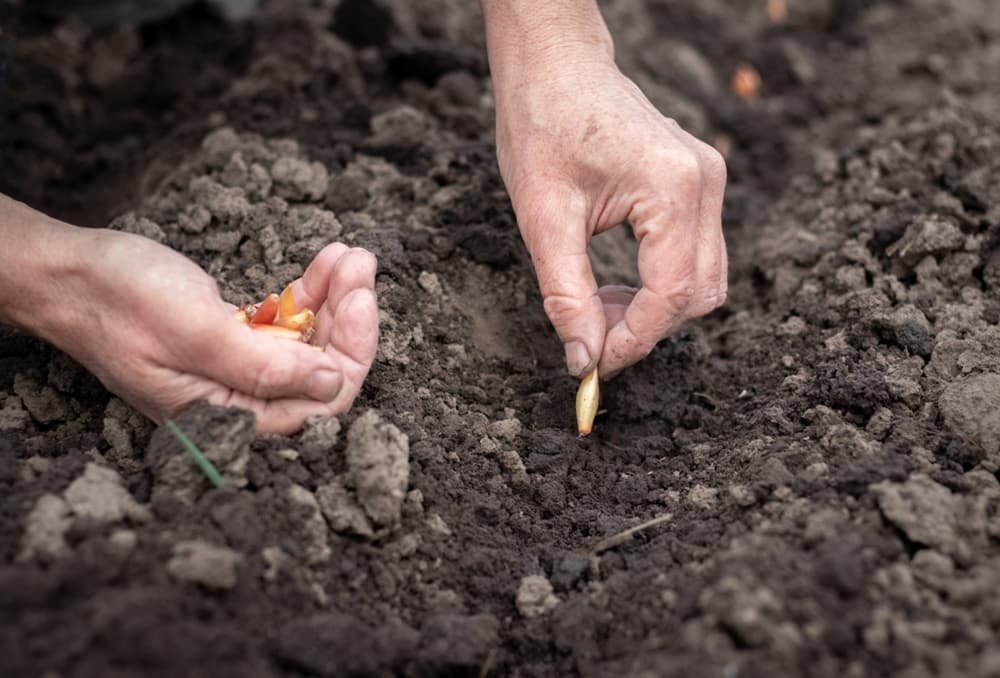
👉🏽 Time 📆Kharif crop: July–August (with onset of monsoon). 📆Rabi crop: October (under irrigated conditions). 👉🏽 Sowing Method: 🔺Direct Seeding: Sow 1–2 cm deep in rows. 🔺Row spacing: 30–40 cm, Plant spacing: 20–25 cm. 🔺Seed rate: 5–6 kg/ha. 🔺Germination takes 7–10 days.
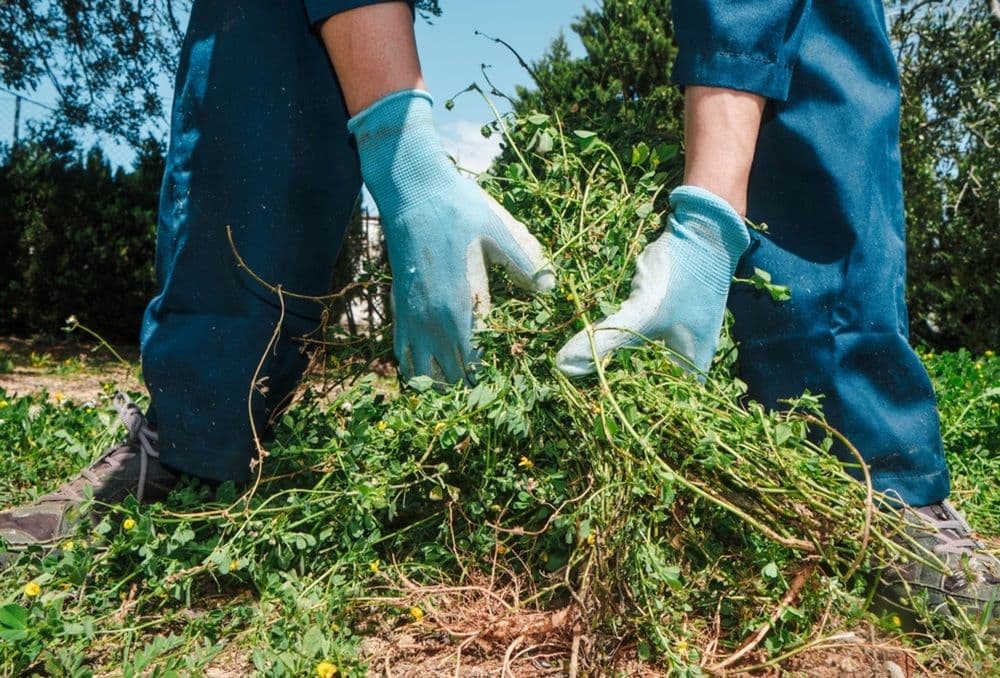
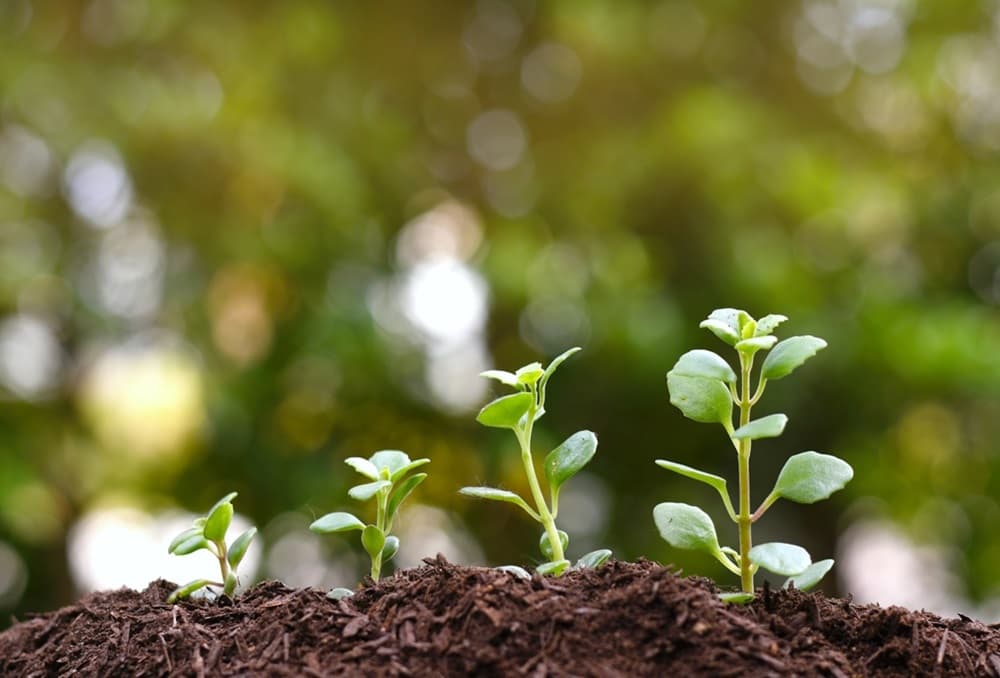
🌿Thinning & Gap Filling: 💠Thin plants 20–25 days after sowing to maintain spacing. 💠Retain the healthiest seedlings. 🌿Weeding: 💠First weeding: 20–25 DAS (days after sowing). 💠Second weeding: 45–50 DAS.
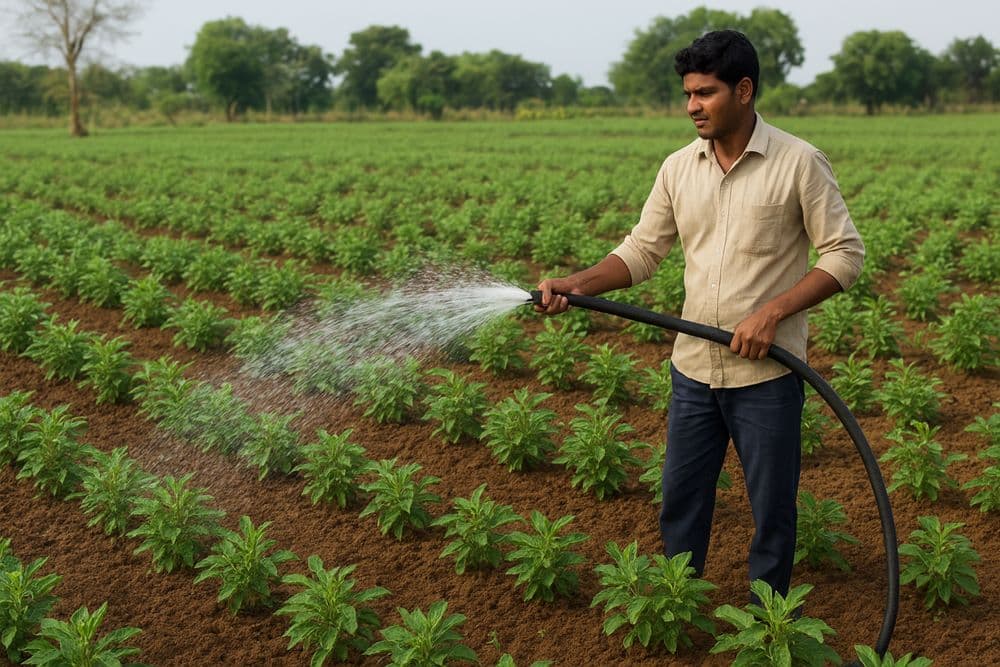
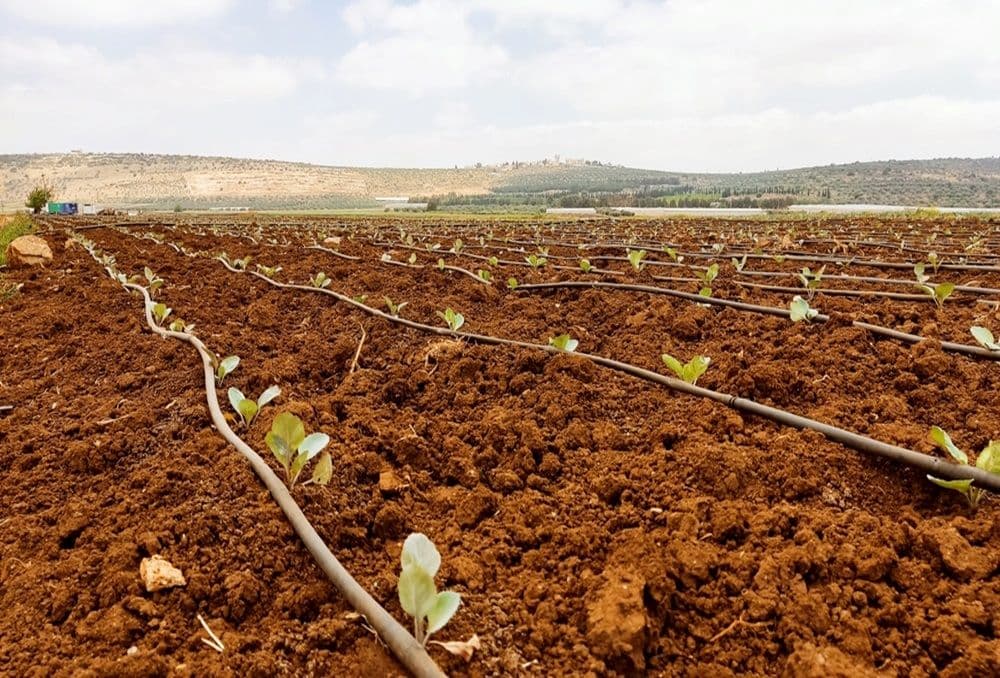
💠Ashwagandha requires minimum irrigation. 💠In rainfed areas, irrigation may not be required. 💠In irrigated farming, provide 3–4 light irrigations during crop duration. Avoid waterlogging.
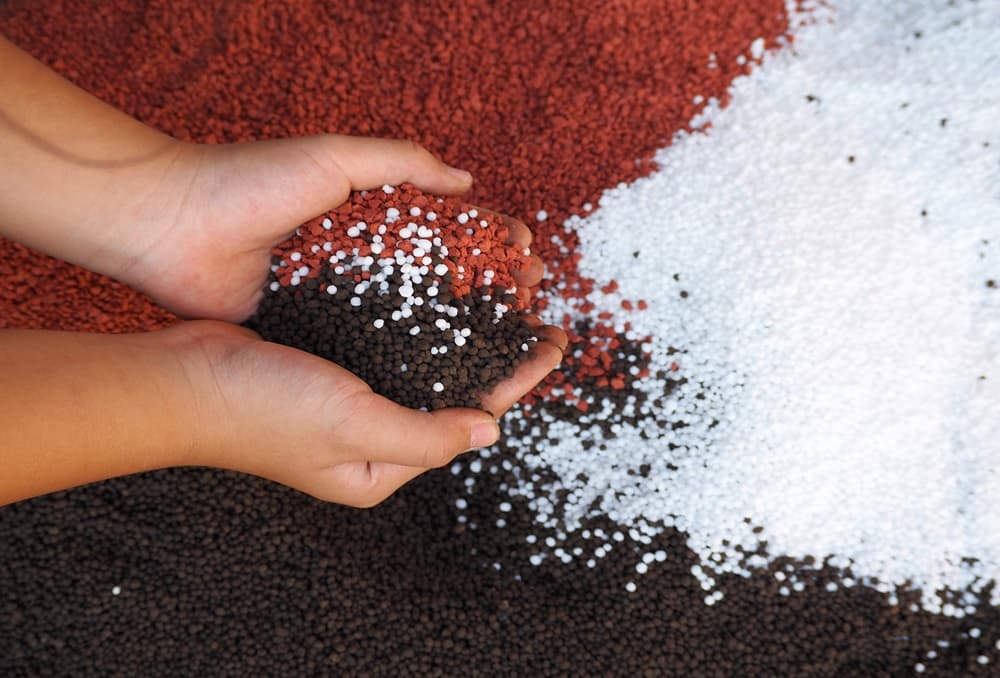
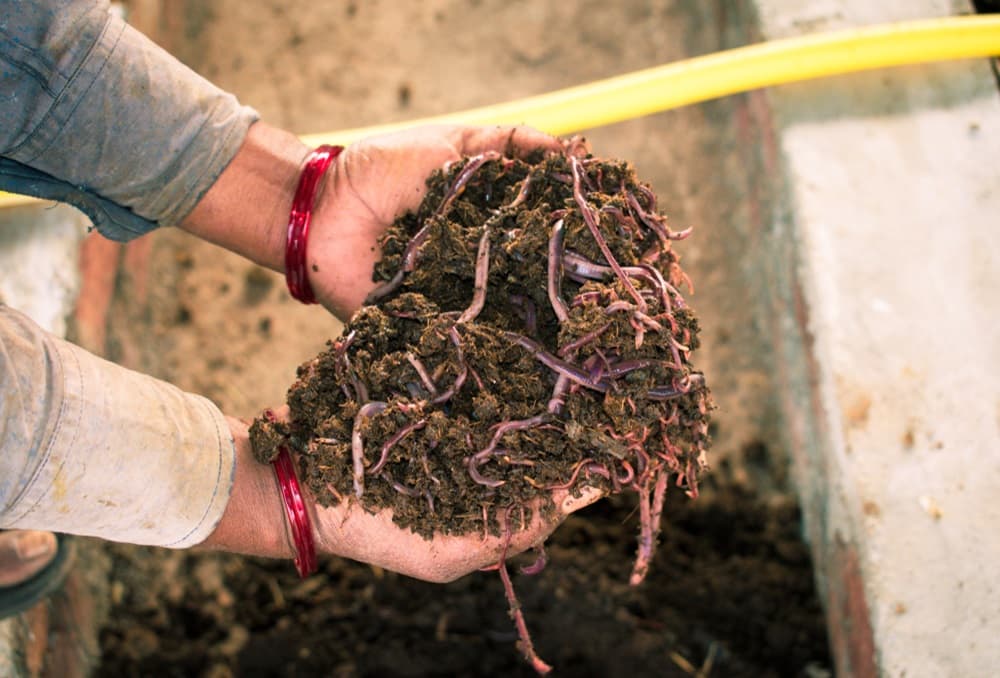
💠Basal dose: 5–10 tonnes FYM/ha. 💠NPK dose: 40:20:20 kg/ha (apply half N and full P & K at sowing; rest N after 45 days). 💠Excessive nitrogen should be avoided—it promotes leaf growth but reduces root quality.
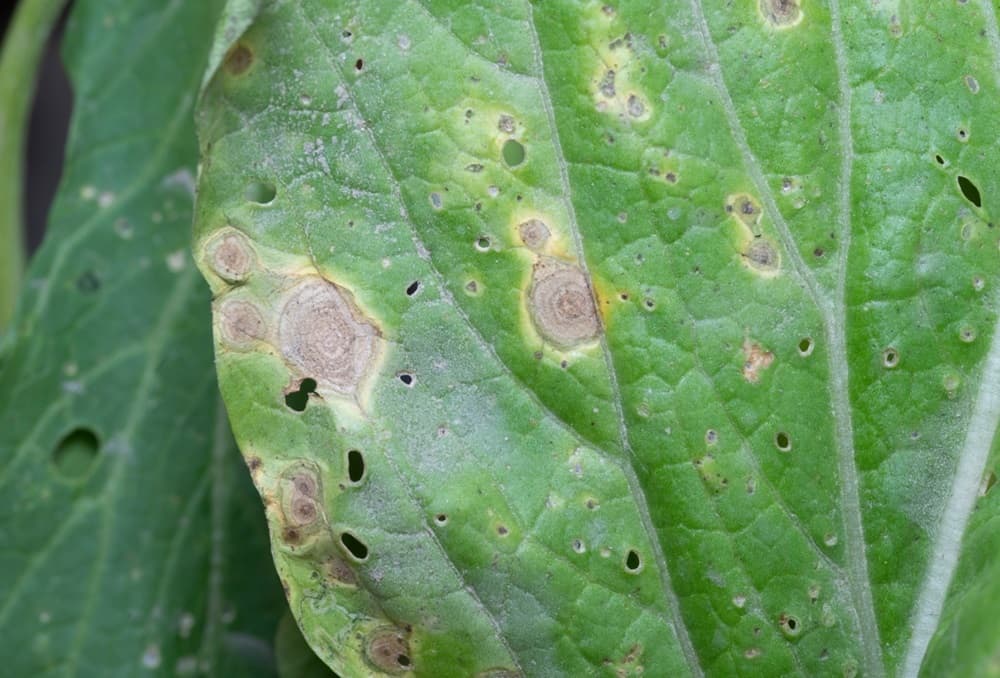
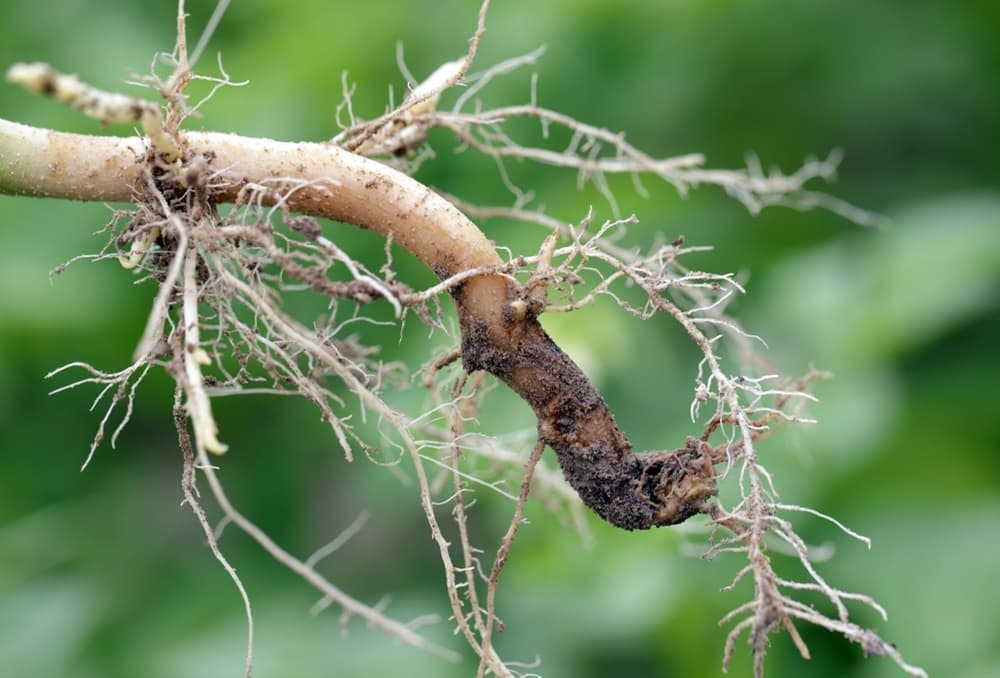
💠Leaf spot & Root rot are common. Treat with neem oil sprays or Trichoderma. 💠Aphids and mealy bugs can be controlled with neem-based biopesticides, or you can take advice from near Gov. Agricultural center.
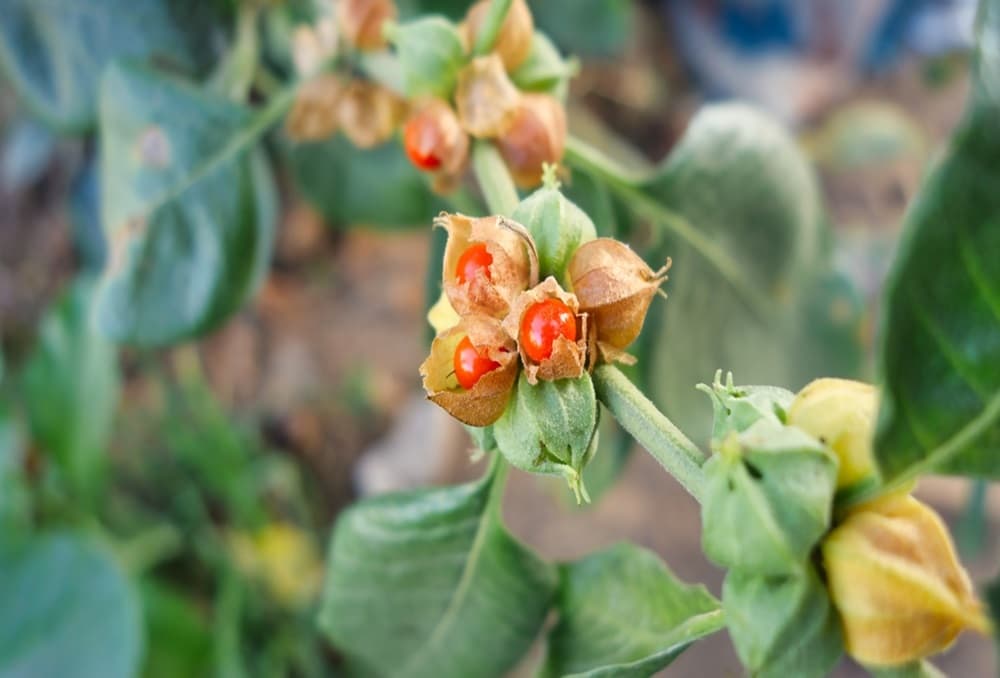
🌾Crop Duration: 150–180 days. 🔺Signs of Maturity: 💠Leaves turn yellow and dry. 💠Berries (fruits) turn red. 🔺Harvesting Method: 💠Plants are uprooted manually. 💠Roots are separated, washed, cut into 7–10 cm pieces, and shade-dried. 💠Seeds are extracted from dried red berries. 🔺Expected Yield: 💠Roots: 300–500 kg/ha (dried). 💠Seeds: 50–75 kg/ha.
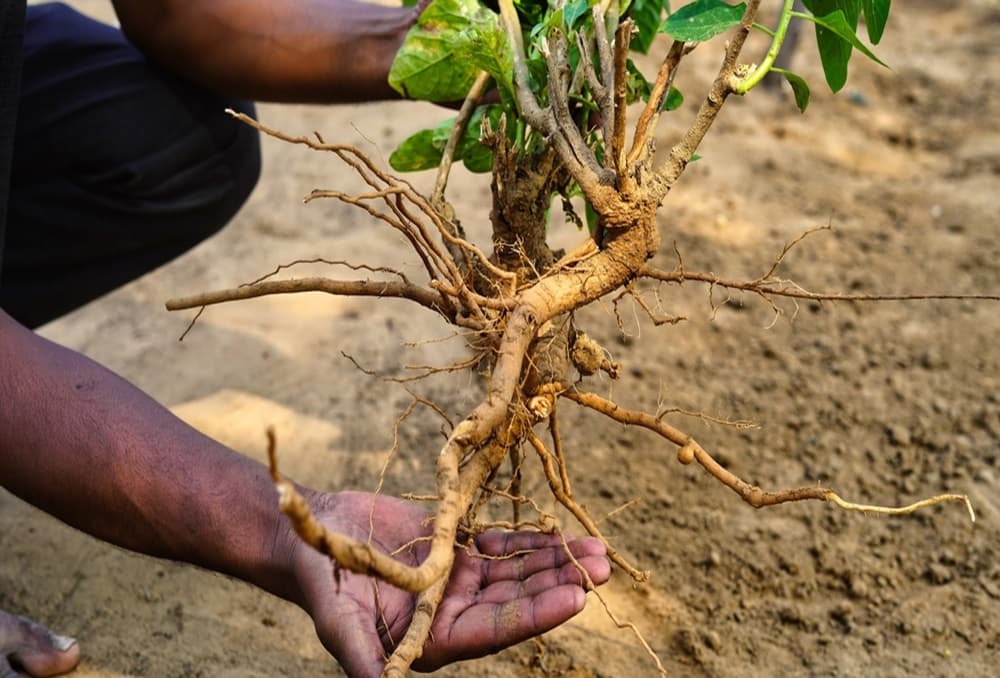
💠Drying: Roots must be dried in shade to retain medicinal properties. 💠Grading: Roots are graded based on thickness and quality. 💠Storage: Store dried roots in cool, dry conditions in jute bags to avoid fungal attack.
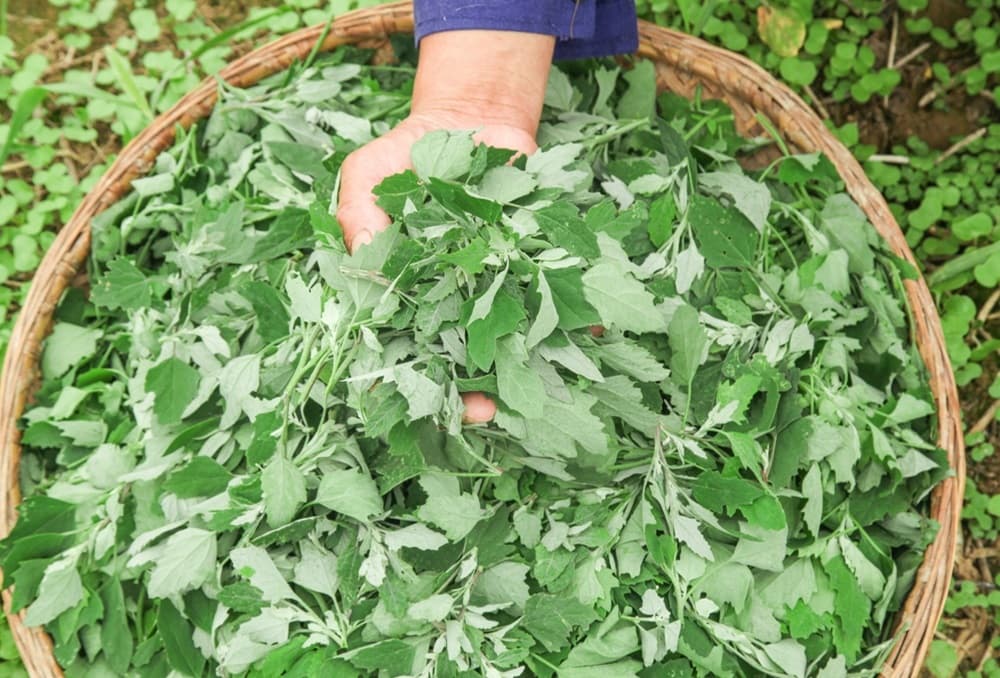
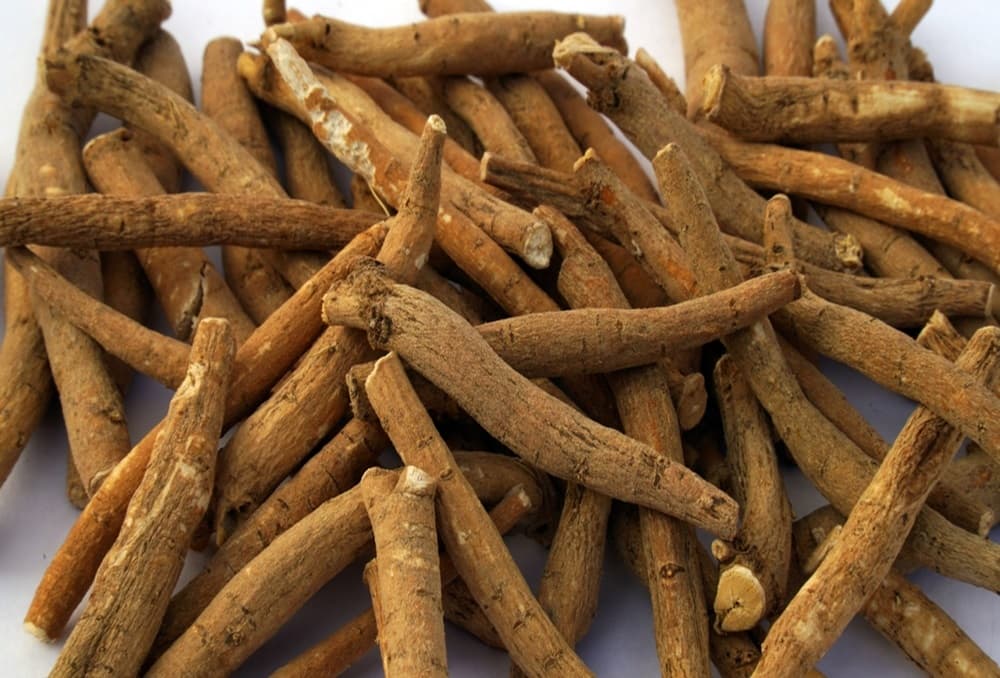
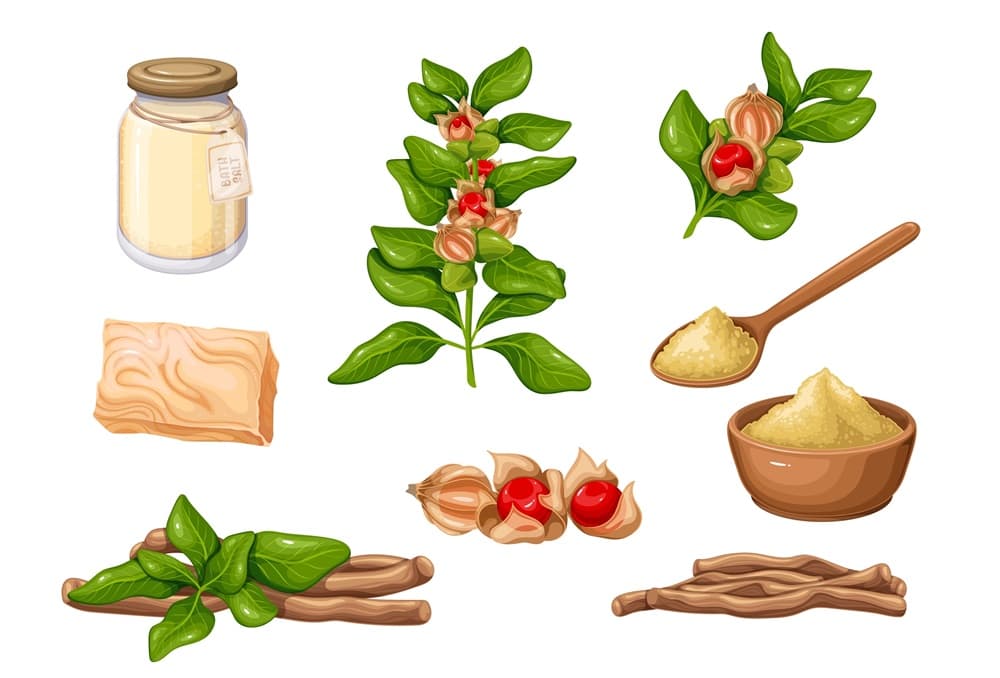
1. Medicinal Uses 💠Acts as a natural adaptogen (reduces stress and anxiety). 💠Boosts immunity and stamina. 💠Improves male and female reproductive health. 💠Helps in arthritis, joint pain, and muscle weakness. 💠Improves memory, concentration, and sleep quality. 💠Used as a rejuvenating tonic (Rasayana) in Ayurveda. 2. Industrial Uses 💠Widely used in Ayurvedic medicines, nutraceuticals, herbal powders, tonics, and capsules. 💠Extracts are used in cosmetics like skin creams and anti-aging formulations. 3. Other Uses 💠Roots are used in herbal teas and health drinks. 💠Leaves used in folk medicine for fever and infections. 💠Seeds are used for propagation and sometimes in herbal remedies.
.jpg&w=1080&q=75)
Ashwagandha is a low-input, high-value crop that grows well in dry and rainfed areas, making it ideal for Indian farmers. With increasing global demand in herbal and wellness industries, its cultivation offers both economic and health benefits. From sowing to harvest, Ashwagandha requires simple care, yet provides roots that are truly valuable earning it the title of the “Wonder Herb of Ayurveda.
Thank you for reading this article, we hope you clicked on the 👍 icon to like the article and also do share it with your friends and family now!


