
Install Bayer Farmrise App
for expert farming solutions!
Install App
Install Bayer Farmrise App
for expert farming solutions!
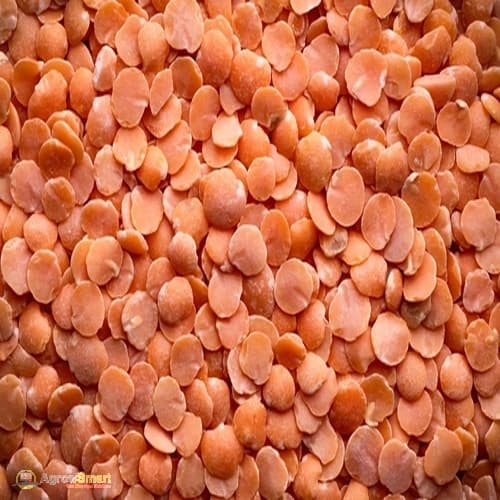
Lentil, known as Mahsur Dal or Musuri Dal, is a pulse crop with a protein content ranging from 22% to 35%. It is a valuable addition to cereal-based diets and can also be utilized as a green manure crop. In 2022, India produced 12.8 lakh tonnes of lentils from an area of 35 lakh acres, achieving a productivity of 3.65 quintals per acre (9.04 quintals per hectare). Lentils are primarily consumed as Dal, prepared by splitting the seeds and are typically deep orange-red or orange-yellow. They are also used in a variety of dishes and provide a source of starch for textiles and printing. Additionally, lentils are mixed with wheat flour in the production of bread and cakes. India is the world's leading producer of lentils, with Madhya Pradesh having the largest cultivation area, followed by Uttar Pradesh and Bihar. Bihar records the highest yield, followed by West Bengal and Jharkhand.
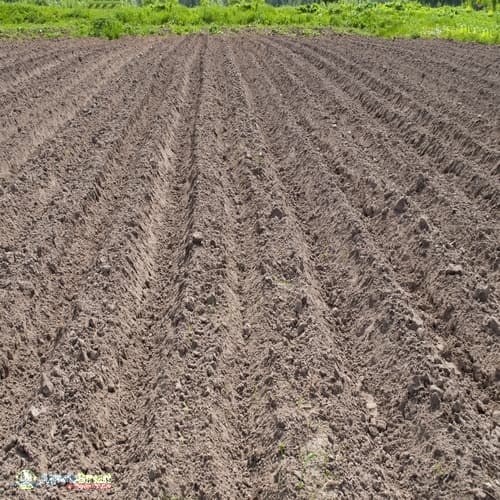
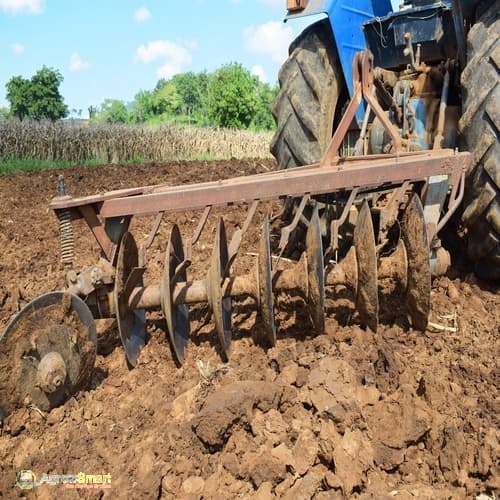
• For optimal lentil cultivation, it's essential to prepare a firm and smooth seedbed, ensuring that most of the residue from the previous crop is incorporated. Uneven ground, large clumps, rocks or visible crop residue can hinder seed placement and germination. • In heavy soils, perform one deep ploughing followed by 2-3 cross harrowings. In contrast, lighter soils may need less extensive tillage and harrowing. Adequate soil moisture at the time of sowing is crucial for effective germination.
• For lentil cultivation, the recommended seed rates are as follows: 16-18 kg/acre for small-seeded varieties, 18-24 kg/ acre for bold-seeded varieties, 20-24 kg/ acre for late-sown conditions and 24-32 kg/ acre for utera cropping. • Sowing should be done in rows spaced 22 cm apart, but for late-sown conditions, reduce the spacing to 20 cm. Seeds should be planted at a depth of 3-4 cm. •For sowing, we can use the pora method or a seed-cum-fertilizer drill. Alternatively, seeds can be broadcast manually.
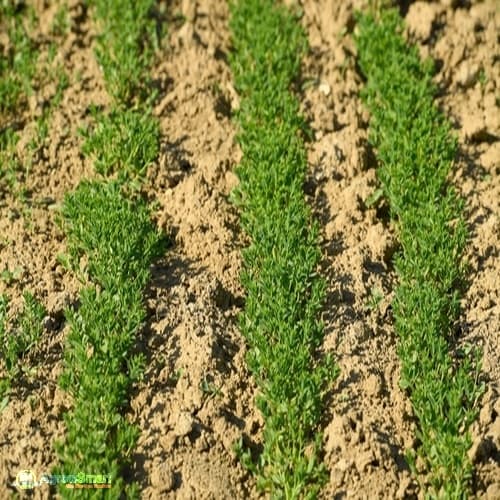
Seeds should be sown from mid-October to the first week of November. Before sowing, treat the seeds with Evergol Xtend (Fungicide) to prevent rot, and Gaucho (Insecticide) to control insects, stem fly, and termites. Additionally, inoculate the seeds with a combination of Rhizobium and PSB, using one packet each for every 10 kilograms of seed.
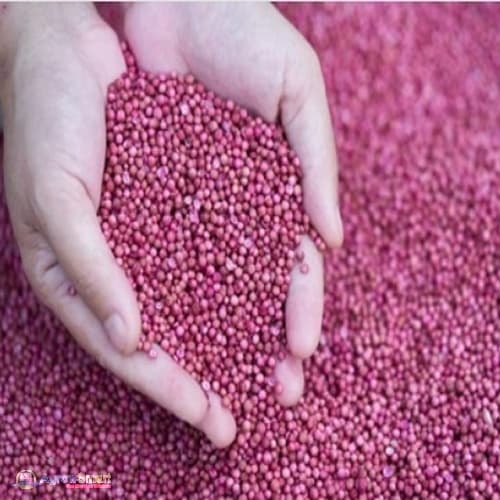
Lentil typically needs one or two irrigations based on the rainfall during its growing season. The first irrigation should be applied 40-45 days after planting and the second should be given at the pod-filling stage. The most critical period for moisture stress is during pod formation, followed by flower initiation.
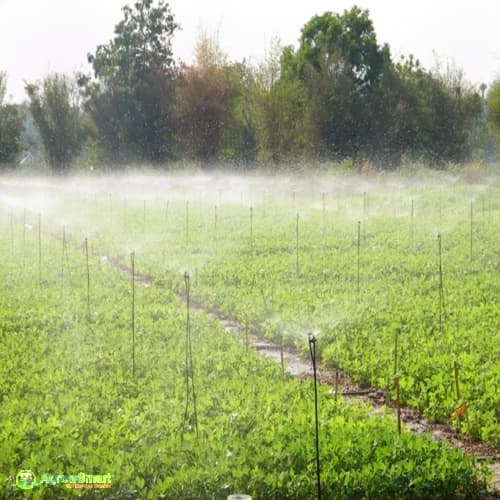
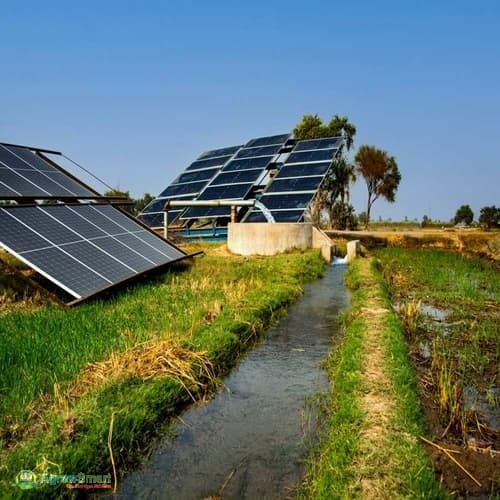
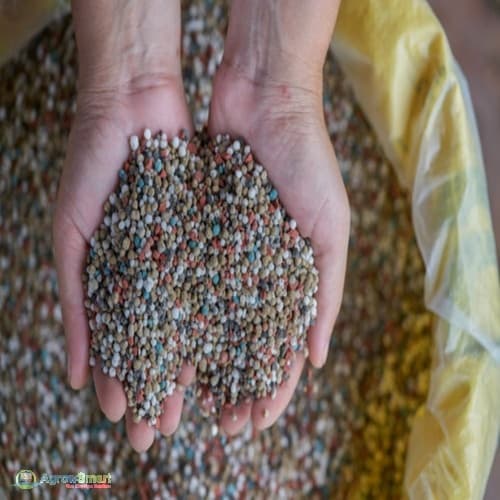
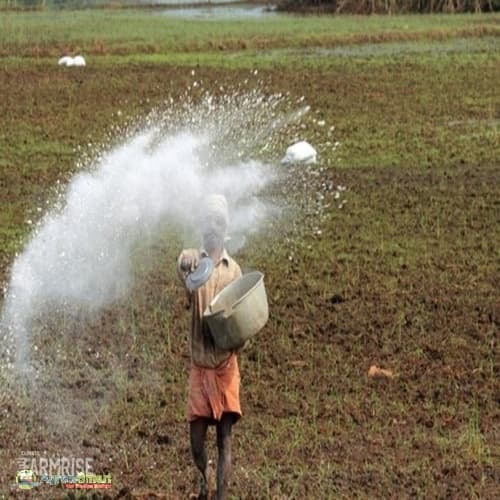
• Apply 11 kg of urea (equivalent to 5 kg of nitrogen) per acre and drill in 50 kg of superphosphate (equivalent to 8 kg of phosphorus) per acre. If the seeds are not inoculated with Rhizobium, increase the superphosphate application to 100 kg (16 kg of phosphate) per acre. Apply both fertilizers at the time of sowing. • For medium black and sandy loam soils, apply 8 kg of sulfur per acre as a basal application. In red sandy loam soils, use 16 kg of sulfur per acre. This amount is adequate for one crop cycle. • In calcareous alluvial soils, apply 0.6 kg of boron per acre as a basal treatment for lentil crops. • For better crop growth, spray Ambition® at a dose of 250 ml per acre using 200 litres of water at flowering and pod initiation stage.
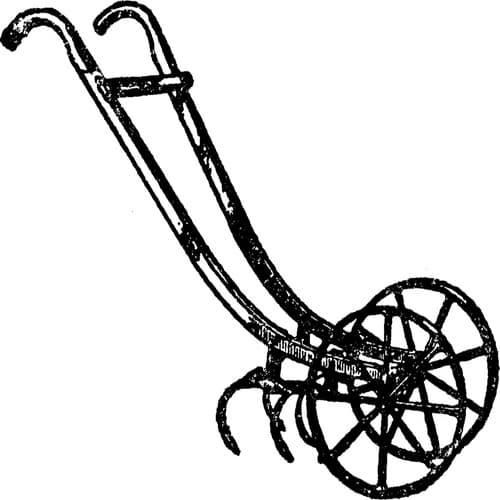
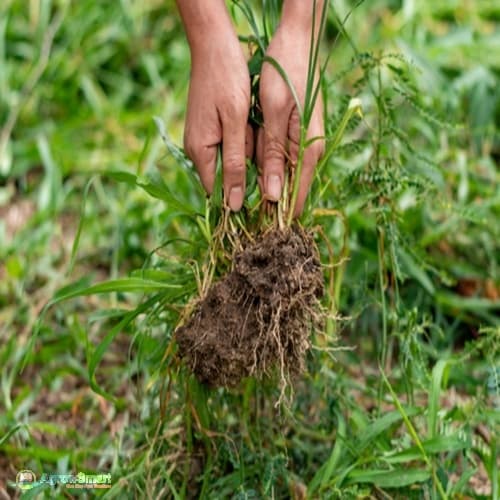
• One or two weeding’s, preferably using a wheel hand hoe, should be carried out 30 and 60 days after sowing. • For pre-emergence weed control, a weedicide such as Pendimethalin 30 EC at a rate of 0.75-1 kg a.i. per hectare can be applied. • Maintaining a weed-free period for the first 45-60 days is crucial.
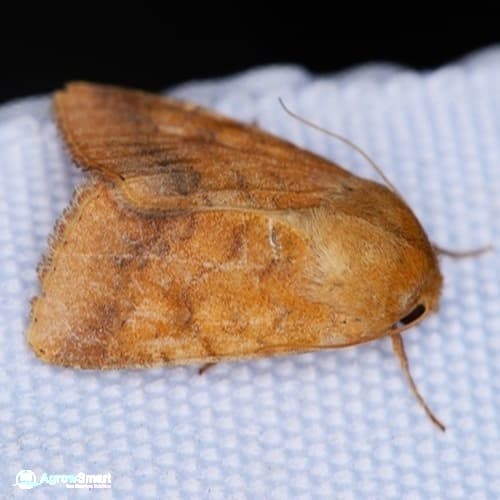
The caterpillar feeds on tender leaves, bores into green pods and consumes the ripening grains. In cases of severe infestation, it can damage nearly all the pods. On average, it results in 25-30% annual yield losses in India. Control Measures • Spray neem seed extract (5%) at a rate of 50 ml per liter of water. • As per the farmers' experience, for better control of Pod borer, apply Vayego. Before applying, please check the product label for proper usage in different crops.
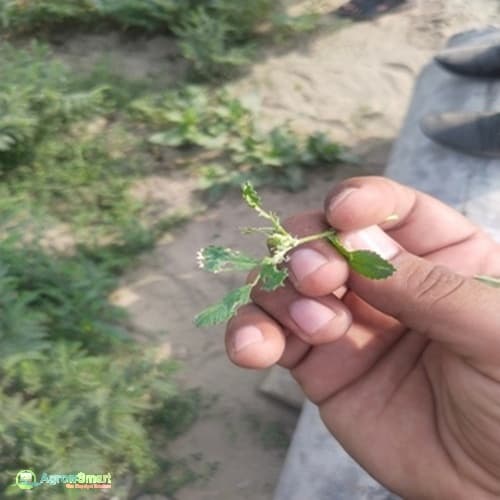
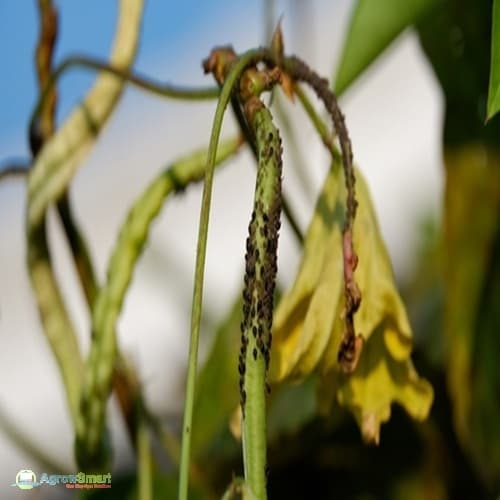
Aphids feed on plant sap and in cases of severe infestation, they can inhibit plant growth. Control Measures • For better control of Aphids in pulse crops, spray Solomon. Before applying, Please check the product label for proper usage in different crops.
.jpg&w=1080&q=75)
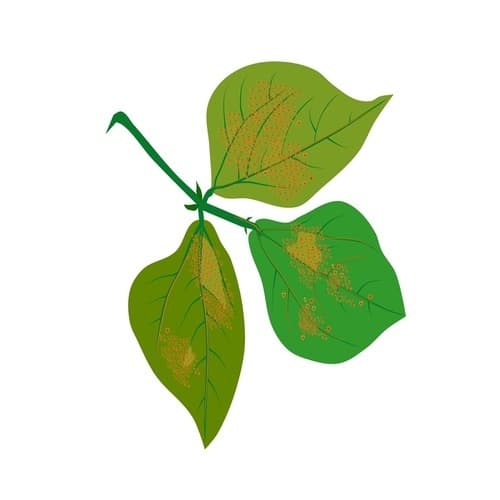
• Rust: To manage rust, grow tolerant varieties. As per the farmers' experience, for better control of Rust in Pulse crops, apply Nativo. Before applying, Please check the product label for proper usage in different crops. After harvest, burn the plant debris to help prevent the spread of the disease. Yellowish-white pustules develop on the stem branches, pods, and leaves of the plants, appearing either singly or in clusters. These pustules may start small but can gradually grow larger. In severe cases, the affected plants may dry out and have a burnt appearance. • Blight: The disease thrives in cool and humid conditions, which favor its development and spread. To manage the disease, use disease-free seeds and destroy diseased plant debris after harvest to reduce the fungal inoculum. Dark brown spots appear on the stems, branches, leaves, and pods of the plant. Lesions on stems and branches are elongated, and the disease is characterized by black, pinhead-sized pycnidial bodies of the fungus arranged in concentric rings on the spots. On tender branches, the spots can quickly girdle the branch, causing the parts of the plant above the girdle to wilt and dry out.

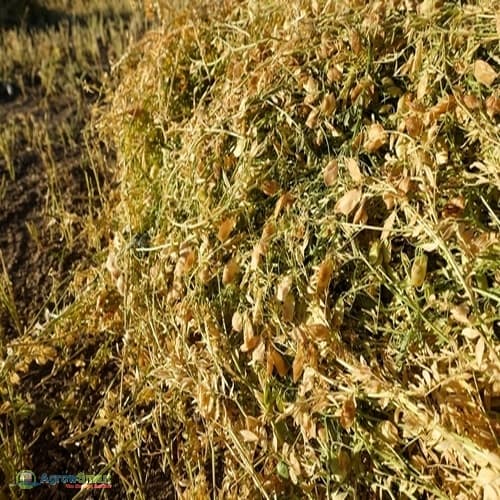
The crop is ready for harvest when the leaves start to fall and the stems and pods turn brown or straw-colored, with seeds that are hard and produce a rattling sound when shaken, indicating about 15% moisture content. If harvesting is delayed and seed moisture drops below 10%, over-ripening may cause pods to fall, as well as seed shattering and cracking. After harvest, the crop should be allowed to dry on the threshing floor for 4-7 days. It can then be threshed either manually or using a bullock or power-driven thresher. The cleaned seeds should be sun-dried for 3-4 days to reduce moisture content to 9-10%. Finally, store the seeds in suitable bins and fumigate them to protect against bruchid infestations. Yield- A well-managed crop yields about 15-20 quintals of grain per hectare.
.jpg&w=1080&q=75)
Thank you for reading this article, we hope you clicked on the ♡ icon to like the article and also do share it with your friends and family now!


