
Install Bayer Farmrise App
for expert farming solutions!
Install App
Install Bayer Farmrise App
for expert farming solutions!
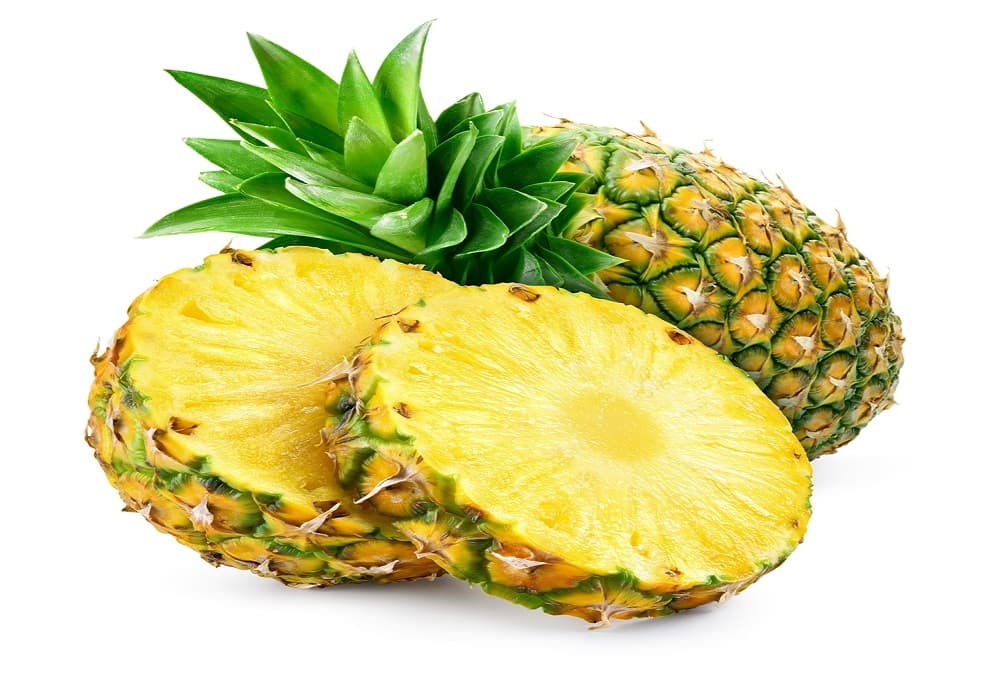
Pineapple is a key fruit crop in India cultivated in states like Karnataka, Kerala, and West Bengal, Assam. This crop is cultivated in 3.25 lakh acres in India mainly for juicy, it is an aromatic fruit rich in vitamins. Pineapple is also used for processed food in various forms like canning. Cultivated varieties of pineapple are classified into 3 main groups viz., i) Cayenne, ii) Queen and iii) Spanish. Cayenne group is by far the most important group and is the most popular canning variety.
Pineapples grow well in sandy loam soils with good drainage, avoiding heavy-clay soil. Ideal conditions include stone-free soil with pH between 5.0-6.0 with a depth of 45-60 cm. They flourish well in humid tropical climates with temperatures ranging from 22 to 32°C, and can grow up to 1,100 m elevation in frost-free environments. While they prefer 100-150 cm (about 4.92 ft) of rainfall, they can adapt to high rainfall areas or dry zones with supplemental irrigation during dry spells.
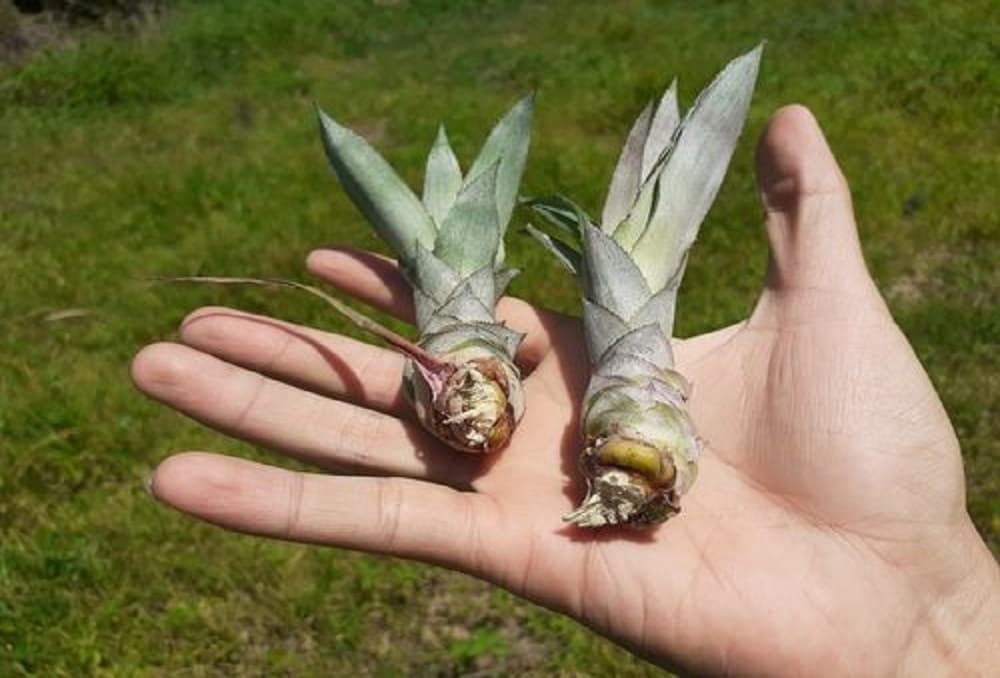
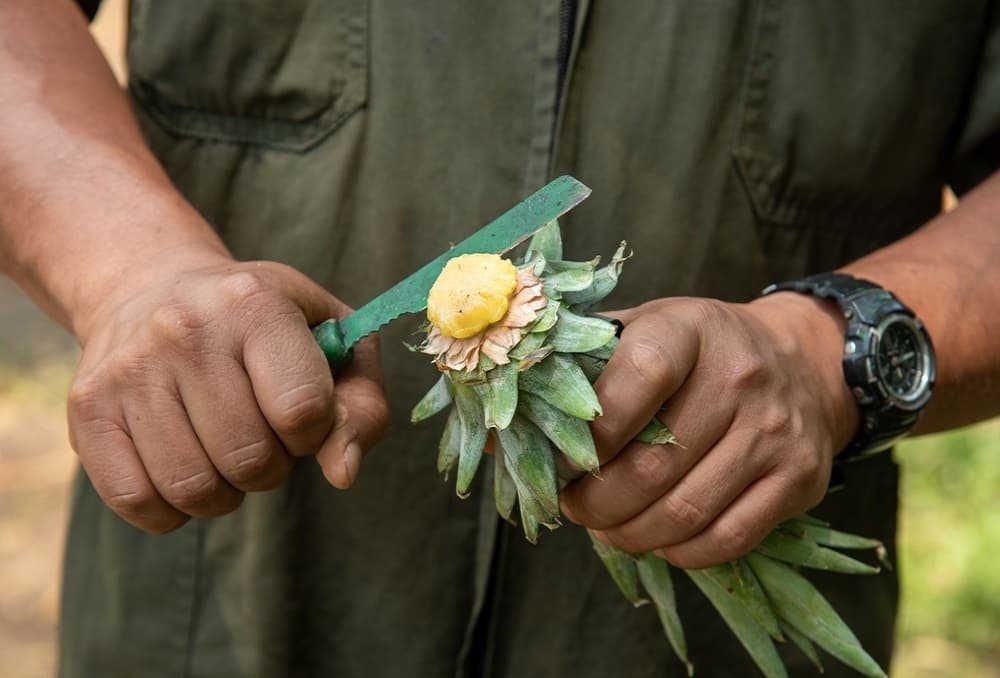
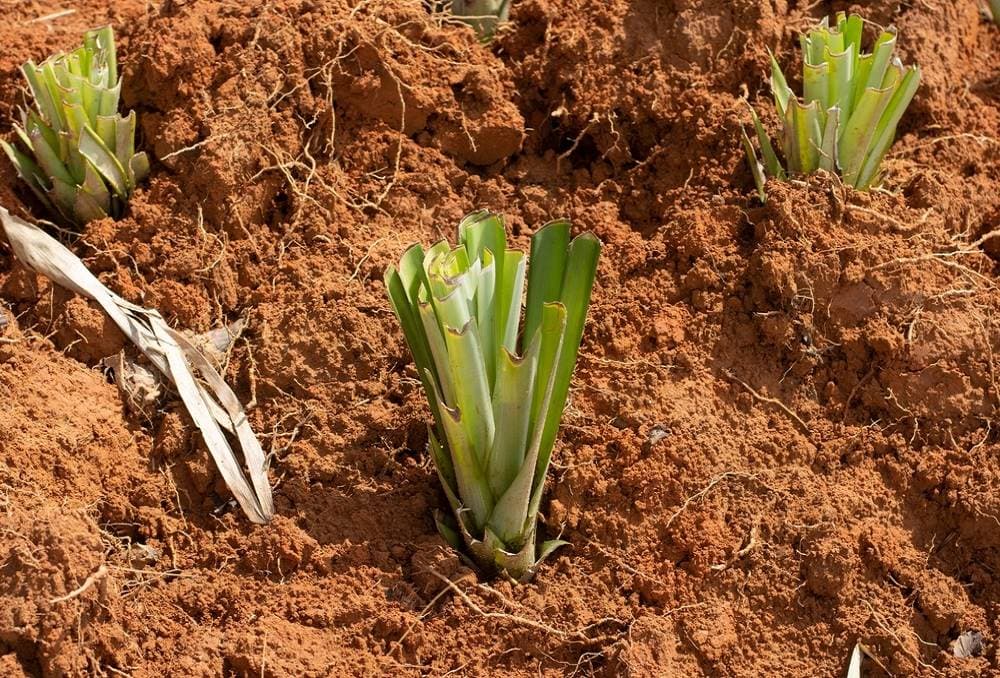
Pineapple is grown from leaf parts called Slips, or Suckers, which are shoots that sprout from different parts of the plant. They come from buds on the pineapple stem, growing from the plant's roots near the ground. These are favored for planting as they flower faster than the plants grown from the crown. Ideal planting materials are slips weighing around 300gm and suckers of 400gm.
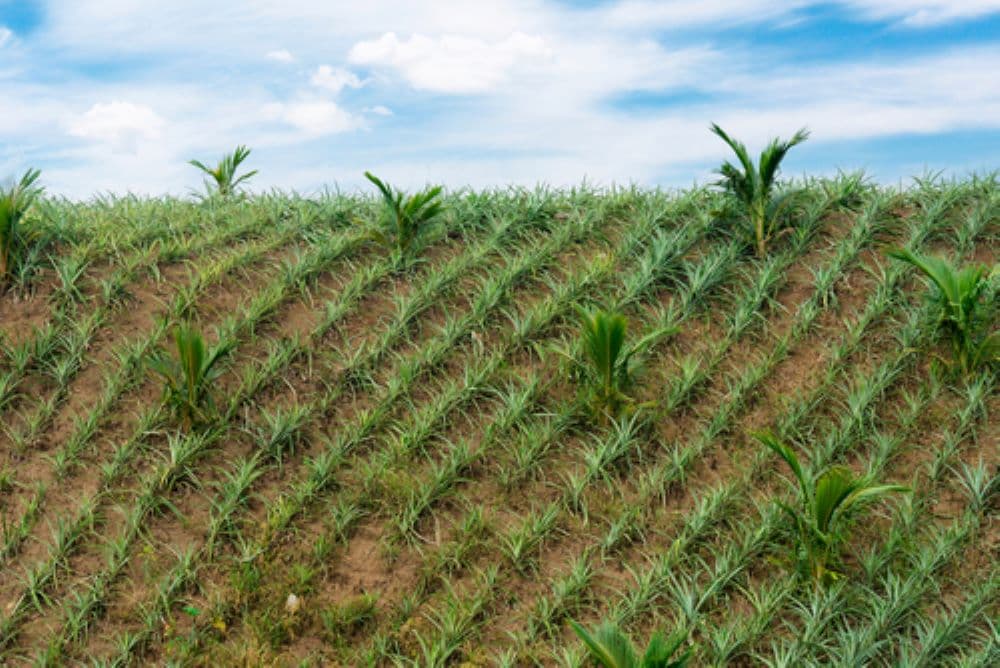
The field should be thoroughly ploughed to a depth of 30 to 40 cm with a harrow to make the soil loose. The type of bed preparation depends on the area. Create raised beds in areas with good drainage and high rainfall. In low rainfall areas with good drainage, make drains along the bed so that there is no water logging. In rainfed areas with water deficit conditions, the trench method should be followed by making ditches. Contour planting should be followed in sloping and hilly areas.

.jpg&w=1080&q=75)

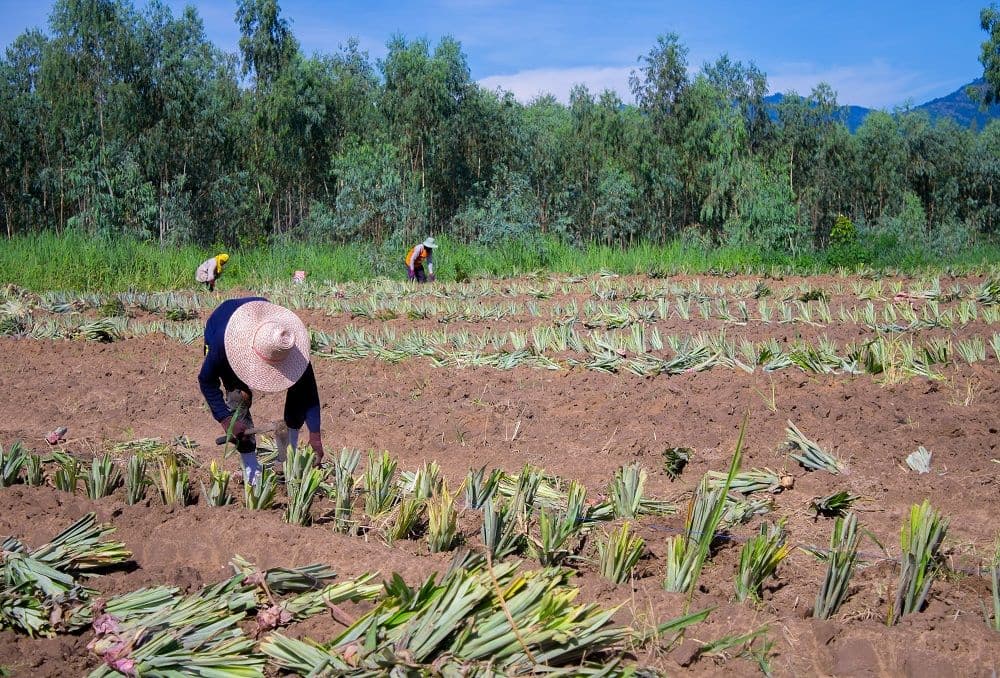
The best times to plant are April-May or August-October to avoid harvesting during heavy rains. Planting just before the rainy season helps make the most of rainwater for the growing plants. Suckers or slips are planted in trenches, furrows, or on beds in double rows with a spacing of 90x60x30 cm, accommodating around 17,700 plants per acre for a sole crop. For intercropping or in perennial orchards, about 8,000 plants per acre are planted. Plants in double rows are arranged in a zig-zag pattern to prevent them from being directly opposite each other.
Add well-decomposed cow dung or compost at the rate of 8 to 10 tonnes per acre at the time of the last ploughing of the field. Pineapple requires more nitrogen and potash and less phosphorus. Which is 250:80:250 kg NPK per acre per year. A full quantity of phosphorus is given as main fertilizer at the time of planting, nitrogen is given in 4 -5 equal parts (50kg each) at an interval of 30 to 40 days and potash is given in two doses of equal parts (125kg each) in the second and fourth month after planting. Fertilizers are applied in bunds adjacent to the plant rows at a distance of 8-10 cm, immediately followed by light irrigation. In rain-fed farming, fertilizer should be used when there is moisture in the field.
.jpg&w=1080&q=75)
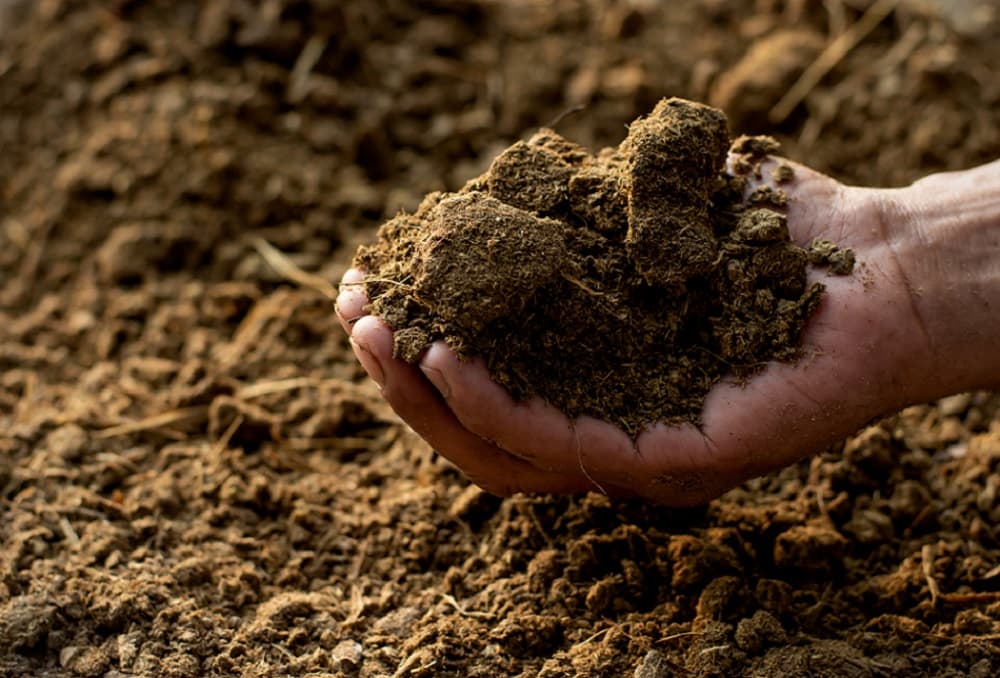
Tilling and earthing up the soil is important to ensure that the crop stands firmly. This is best done after each fertilizer application. Mulching helps retain soil moisture and prevents weeds. Using selective herbicides like Diuron and Bromacil can kill weeds without harming pineapple plants, according to a study from the Kerala Agricultural University.

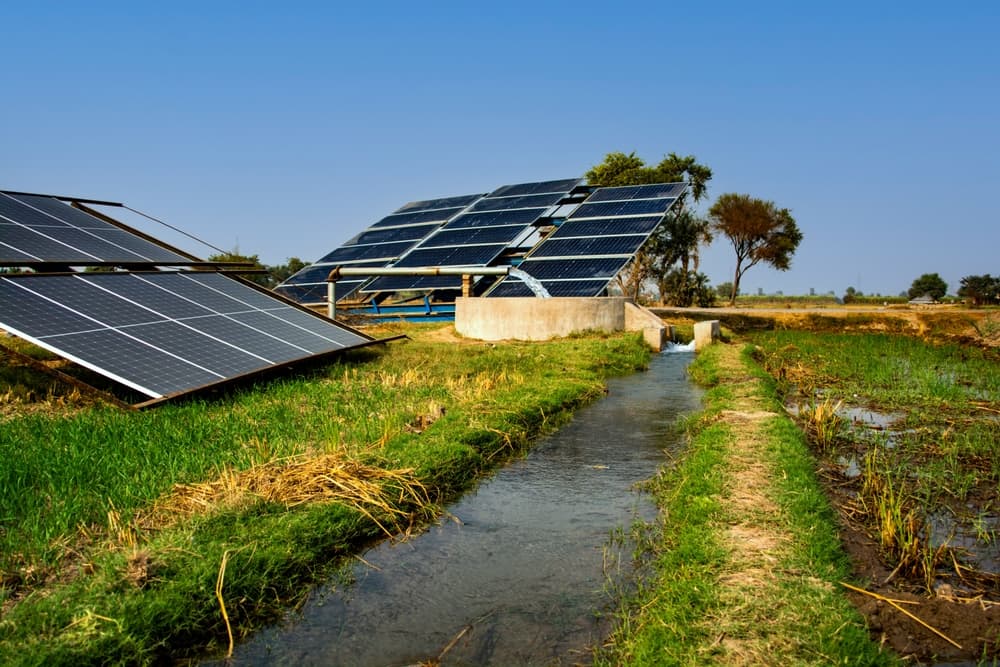
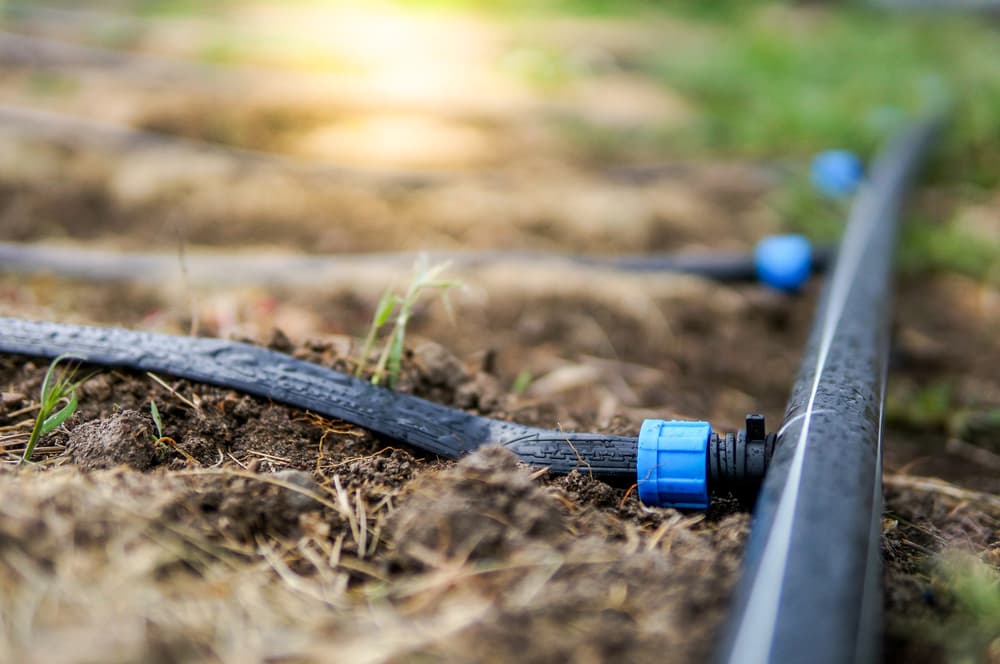
In order to get good crop growth and yield providing light irrigations at fortnightly interval during summer months is very essential. Providing organic or plastic mulching will help in conserving soil moisture. Drip irrigation system will help in saving irrigation water and is also ideal for slopy and hilly areas.
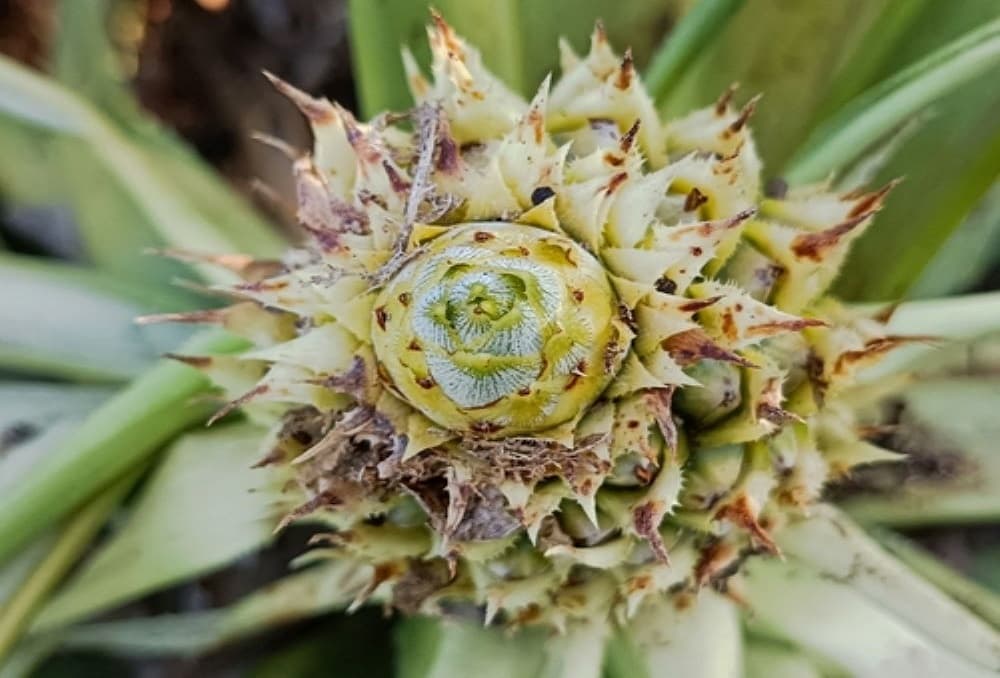
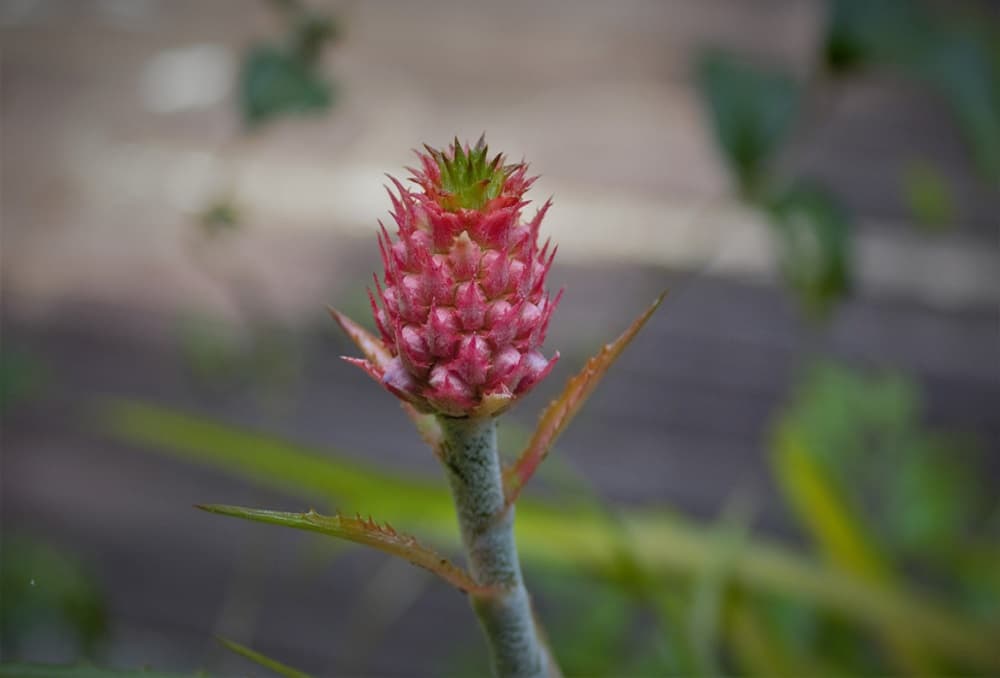
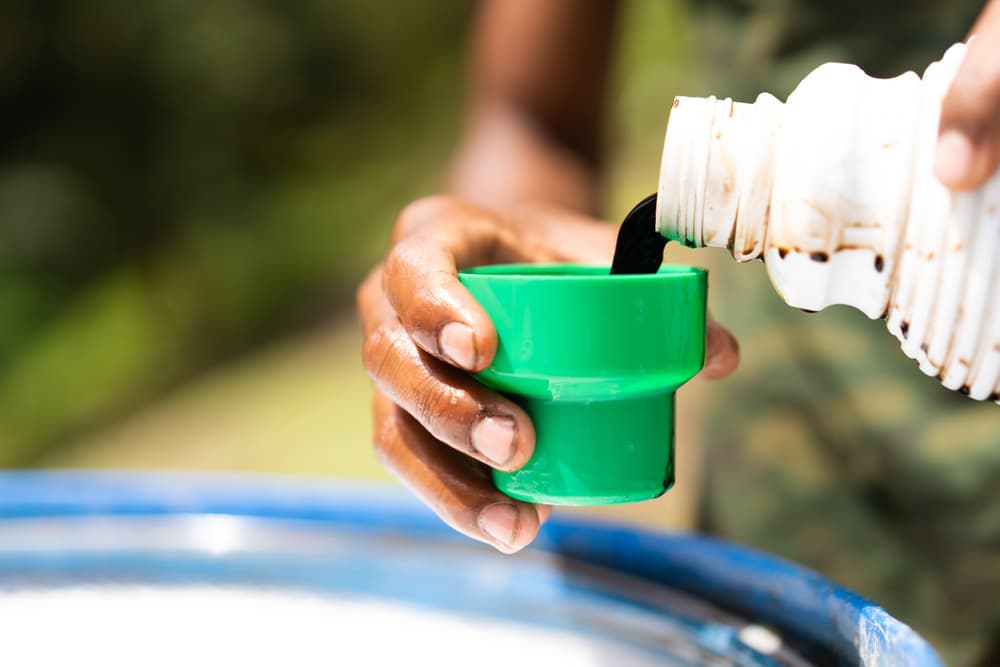
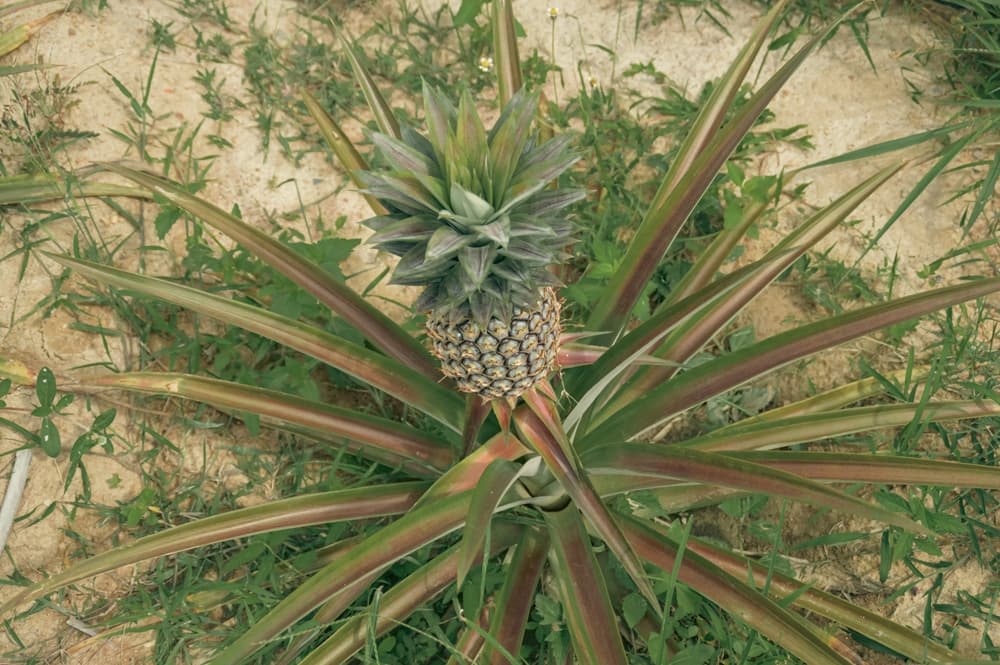
Pineapple normally flowers around 10-12 months after planting and fruits are ready for harvest after 5-6 months of flowering. Besides the time of planting, flower induction practices with certain chemicals or growth regulators influence the season of harvest. For unifom flowering, use Ethrel (Ethephon 39% w/w SL) at a dose of 154-205.2 ml per acre, mixed with 600-800 liters of water. Prepare the solution by mixing 2.5 ml of Ethrel in 10 liters of water. For pineapple use Planofix: To induce flowering and uniform growth: Use 10 ml in 4.5 liters of water. To increase fruit size: Use 199 ml (10 ml in 4.5 liters of water). To delay maturity: Use 100 ml (10 ml in 4.5 liters of water).
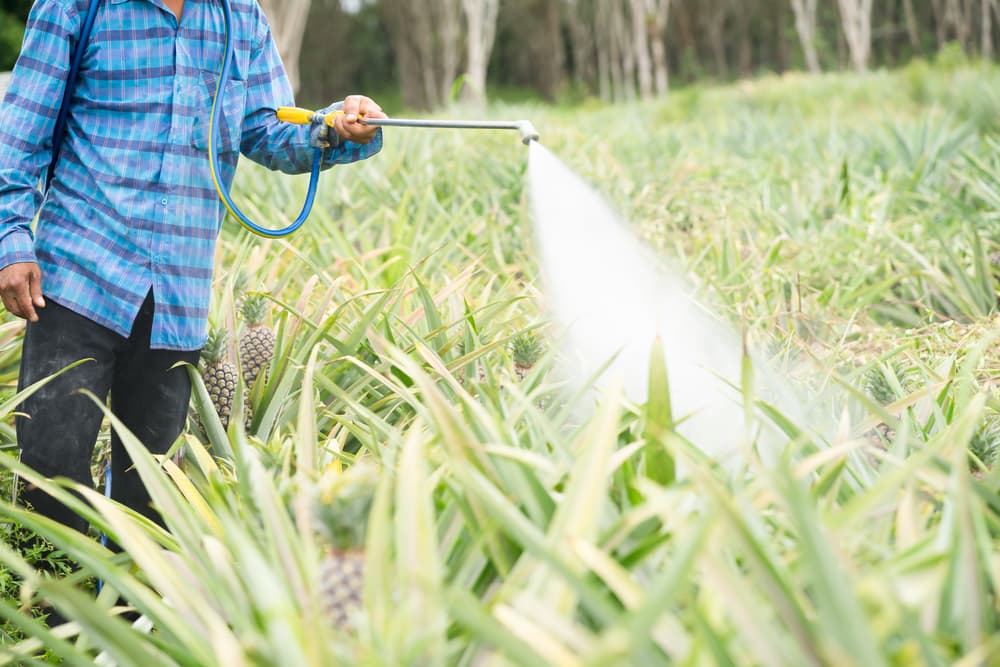
To manage important pests like mealybugs, scales, thrips, and aphids, use recommended plant protection chemicals such as Movento OD, Jump, and Solomon. Diseases like wilt and heart rot, for that you can also visit nearest Agri Help center. Before applying, Please check the product label for proper usage in different crops.
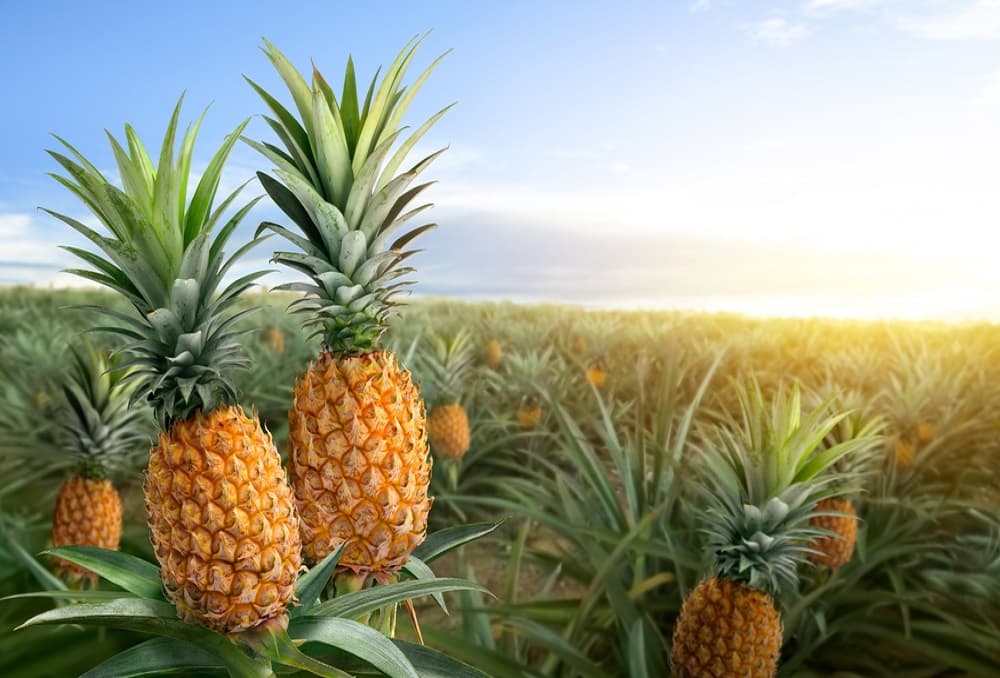
Pineapples are usually ready for harvest in about 135 to 165 days after they flower. When they're ripe, they turn deep yellow to coppery-yellow, starting from the bottom and moving upwards. For canning, you can pick them when there's a slight color change at the base. For eating fresh, wait until the entire fruit is golden yellow. Ripe pineapples have firm, juicy, pale-yellow to yellow flesh. If you harvest them with the crown, they can stay fresh for over two weeks. With good farming practices, farmers can harvest about 35 to 40 tons of pineapples per acre.
Thank you for reading this article, we hope you clicked on the ♡ icon to like the article and also do share it with your friends and family now!


