
Install Bayer Farmrise App
for expert farming solutions!
Install App
Install Bayer Farmrise App
for expert farming solutions!
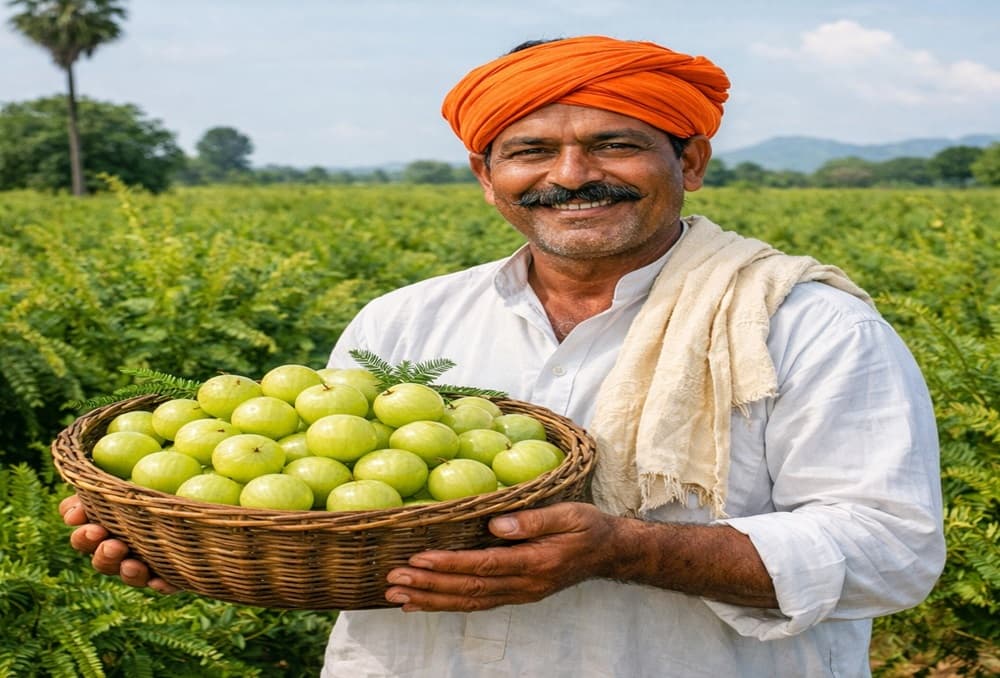
Farmer friends, Amla is also known as the immortal fruit and Indian gooseberry. It is an excellent plant for tropical and subtropical climates. It is well suited to dry climates with an annual rainfall of 630-800 mm. However, young plants need protection from both extreme heat and cold. If farmers want to move from traditional farming to gardening, they can plant gooseberry plants in their fields. Cultivating gooseberry can prove to be more profitable than traditional farming. Once production begins, gooseberry plants can bear fruit for more than 20 years. Demand for gooseberry is steadily increasing in the Ayurvedic, pharmaceutical, and food industries. Uttar Pradesh is the largest producer of Amla in India, accounting for 35% of total production, followed by Rajasthan, Maharashtra, and Madhya Pradesh.
For commercial farming, several advanced varieties offer better yields, fruit size, and disease resistance: 🔴 NA-7 (Neelam): The NA7 variety of amla requires well-drained, fertile loamy or light loamy soil with a pH between 6.5 and 9. This variety can also produce well in slightly alkaline, dry, and barren areas. Excellent for making pickles and jams. 🔴 Kanchan (NA-4): It grows best in sandy loam to light loam soils. It prefers fertile soil with a pH of 6.5 to 8.5. The soil should be well-drained. It is known for its abundant fruit production and resistance to peel blight.
.jpg&w=1080&q=75)
🔴Chakaiya: Amla grows best in deep, fertile, and well-drained loamy soil. It can also grow in slightly acidic, alkaline, and calcareous soils, provided the soil is not waterlogged. Its fruits are small and are often used in medicinal processing. 🔴Banarasi: An early-maturing variety with large, attractive fruits. It grows best in deep, fertile loamy soil and can tolerate a pH range of 6.5 to 9.5.
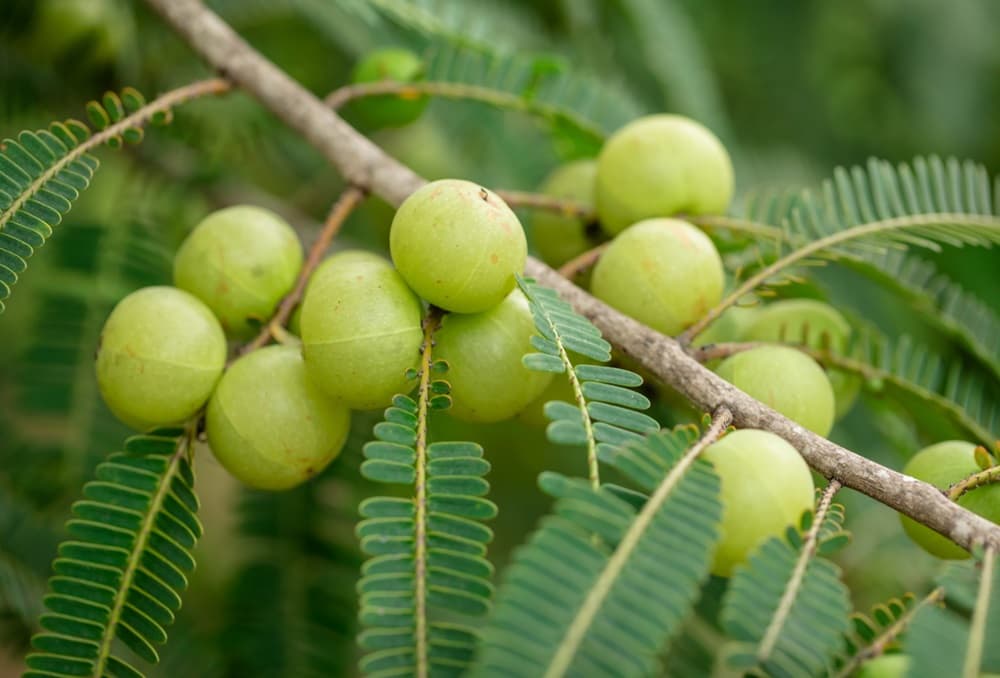
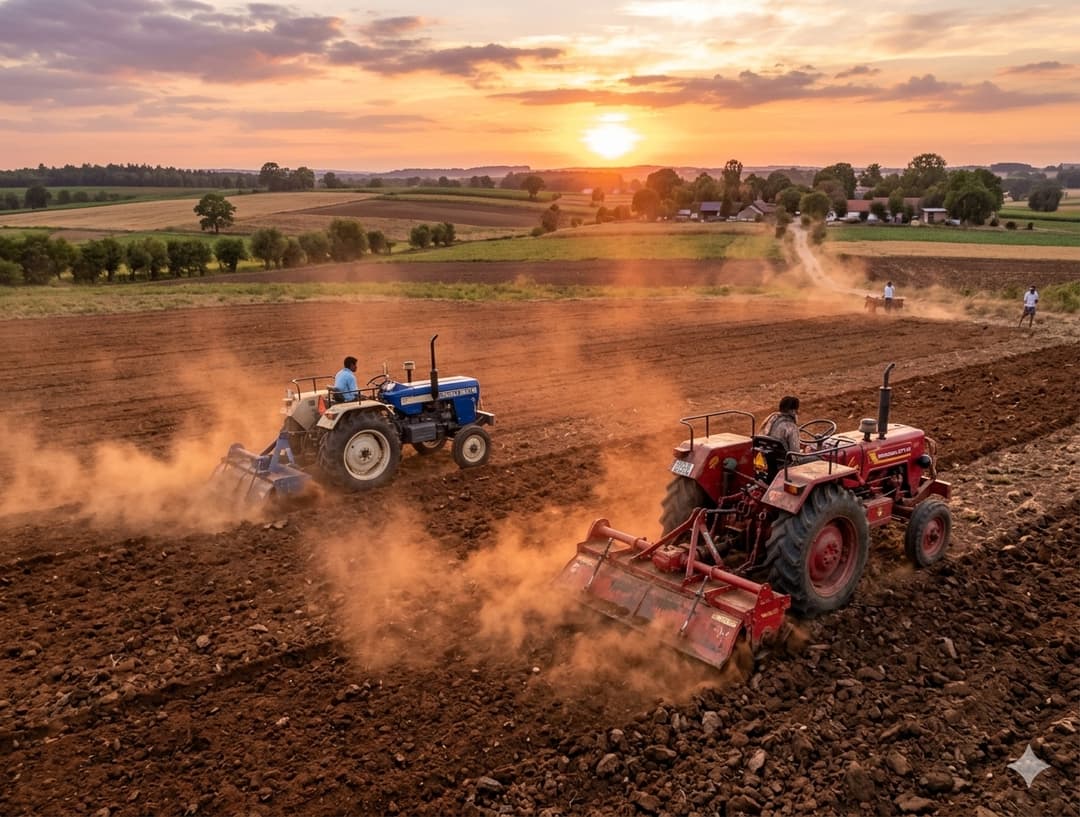
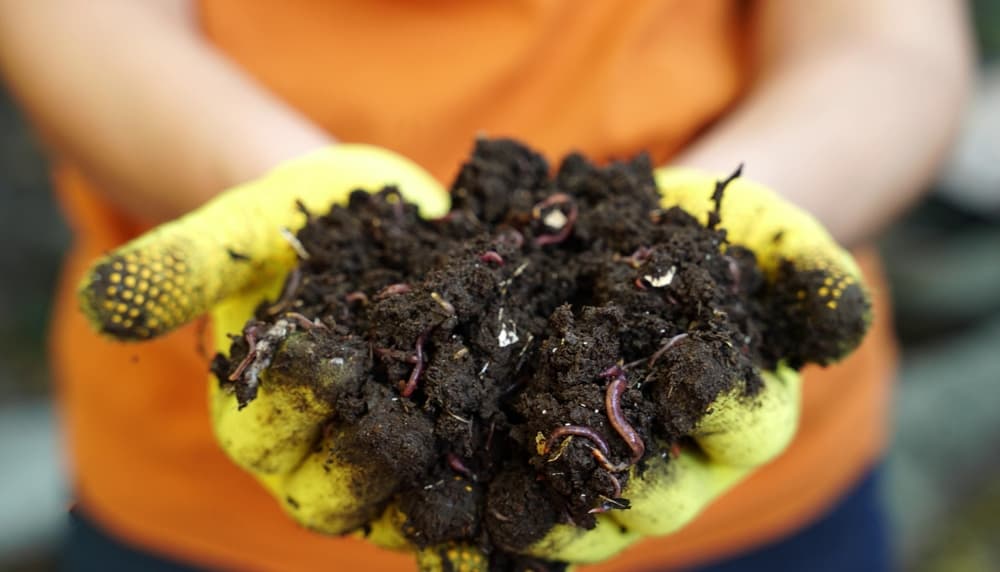
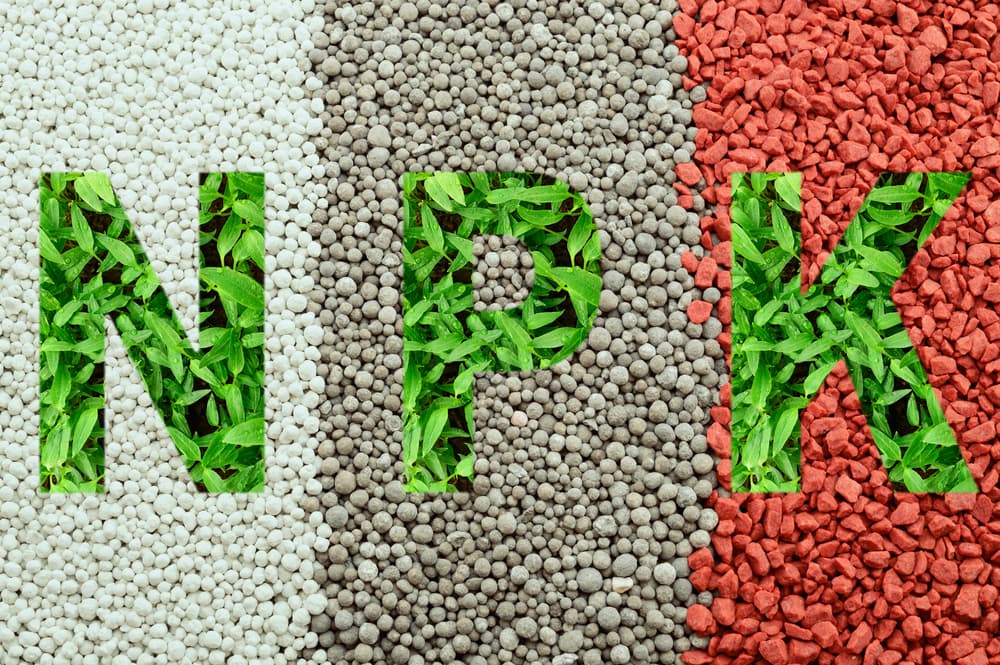
Before planting amla plants, the field must be thoroughly prepared. Plow the field with a rotavator to turn the soil. Afterward, leave the field open for a few days to allow the sun to treat termites and other pests. Afterward, plow the field and level it with a leveler. After this, pits should be prepared for planting the plants. For this, dig pits in summer season, fill the pits with a mixture of top soil and 15-20 kg well rotten cow dung manure (FYM). According to soil test, 100 grams of nitrogen, 20-20 grams of phosphorus and potash should be given. Along with this, mix 500 grams of neem cake and 150 grams of chloropyrifos powder and leave the pit open for 10 to 15 days. Keep the distance between the plants 6 meter × 6 meter or 8 meter × 8 meter. After that, bring saplings from a good nursery and transplant them in it.
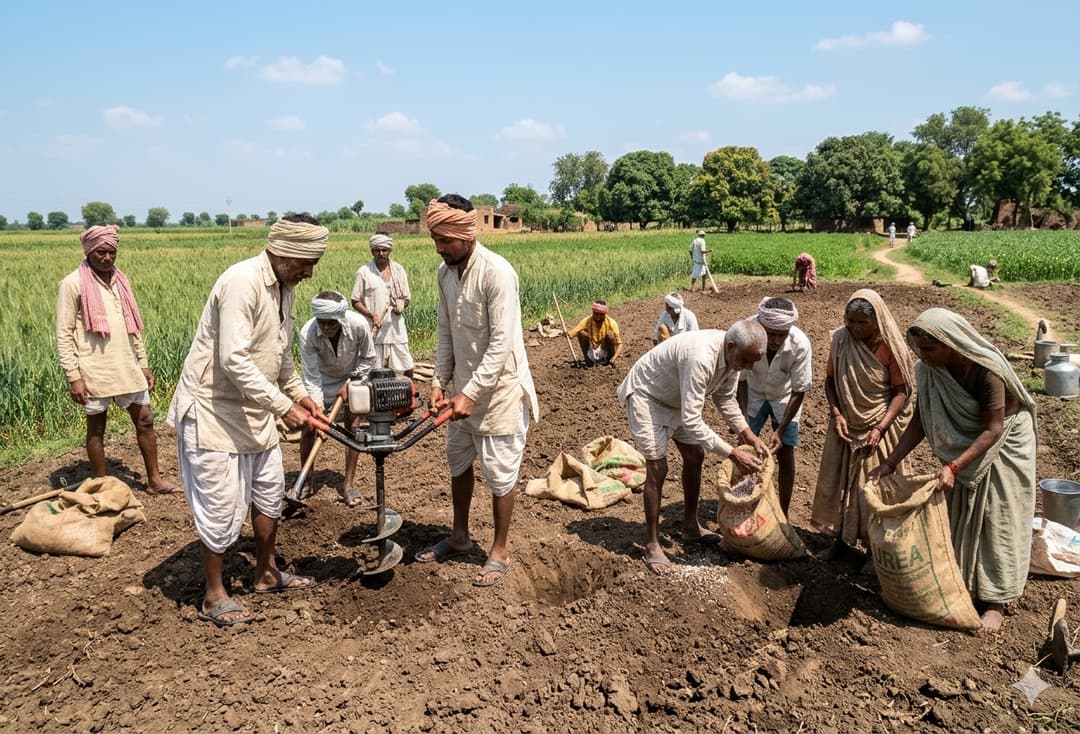
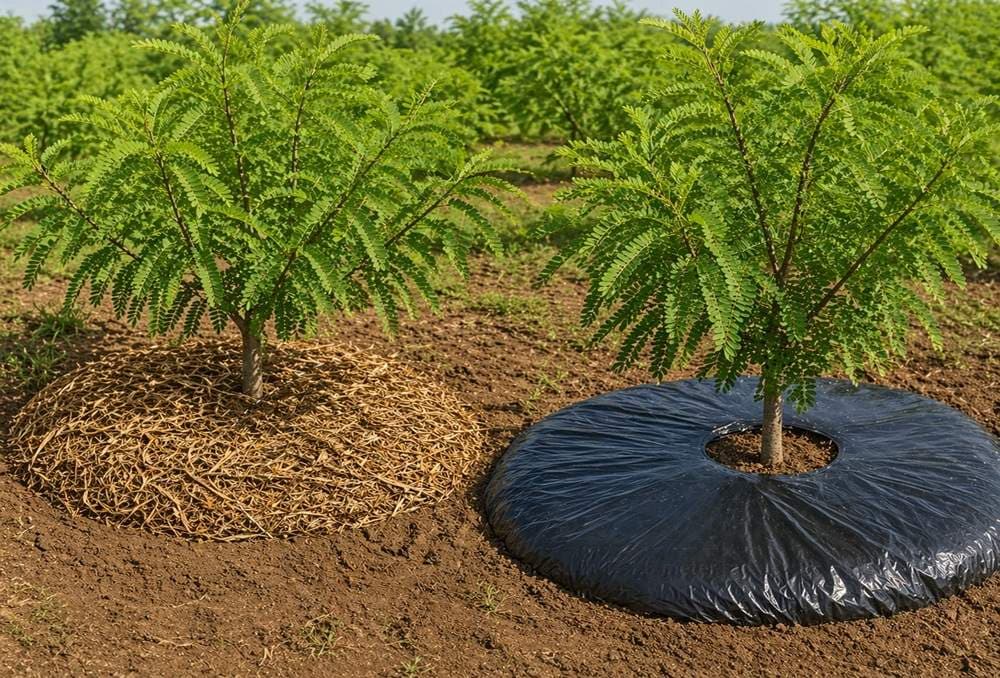
Best time to plant: July-September (monsoon season). After planting the seedlings in small holes, press the soil around them firmly with your hands. Light irrigation should then be applied. Farmers should be careful not to plant the same variety of plant in a single field. Mulching should be done for one year; this helps strengthen the plants and promotes growth.
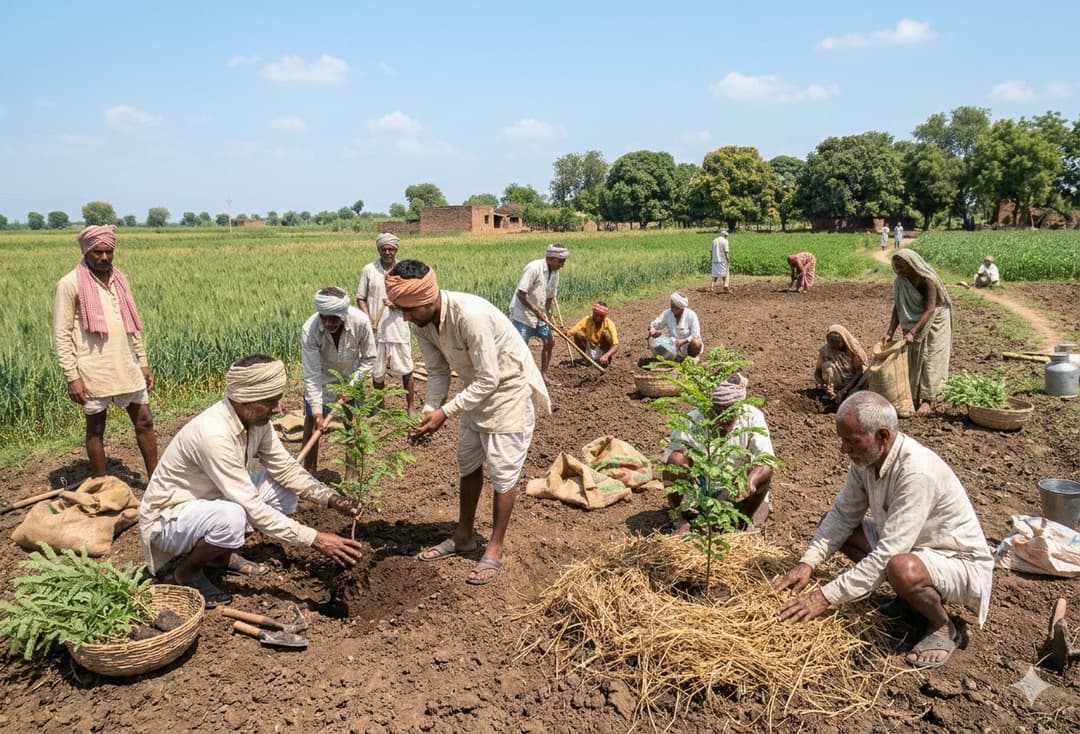
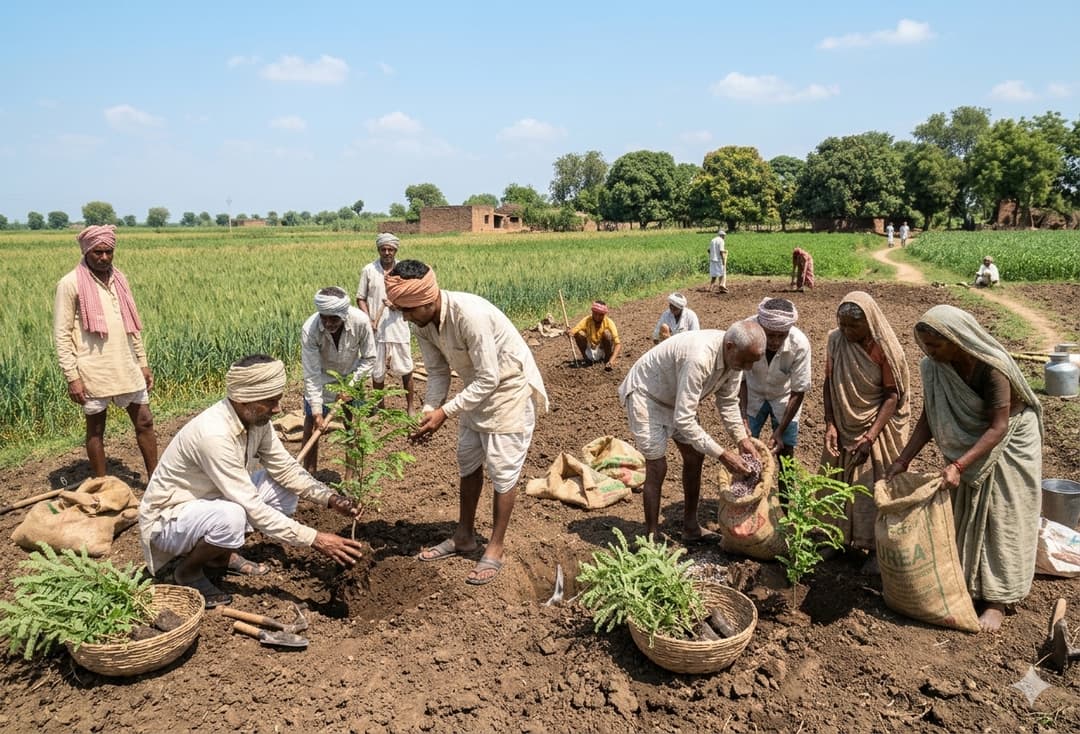
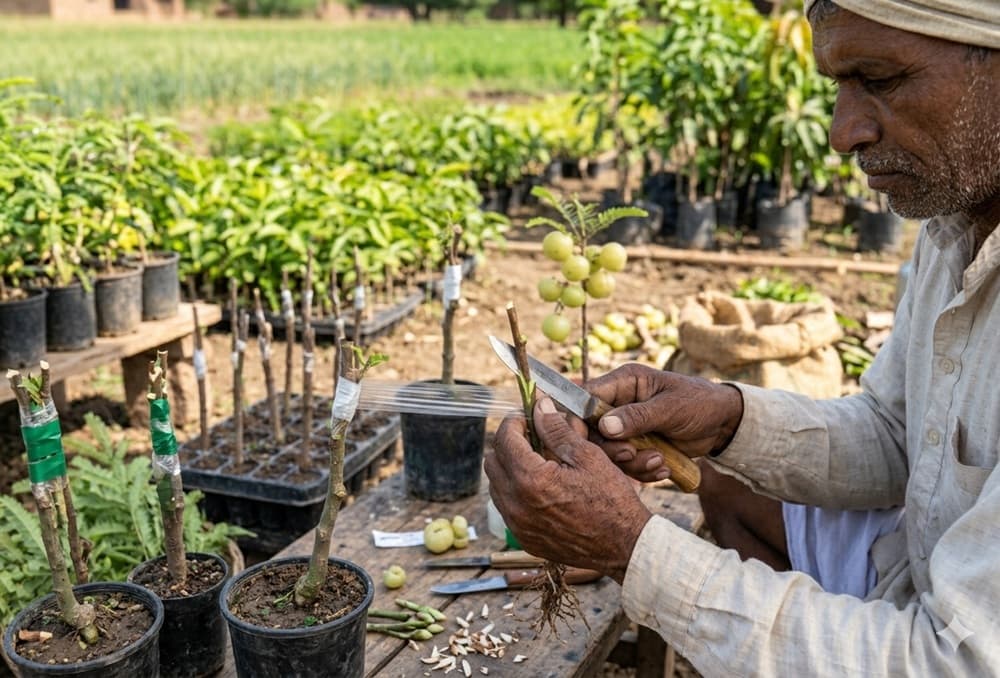
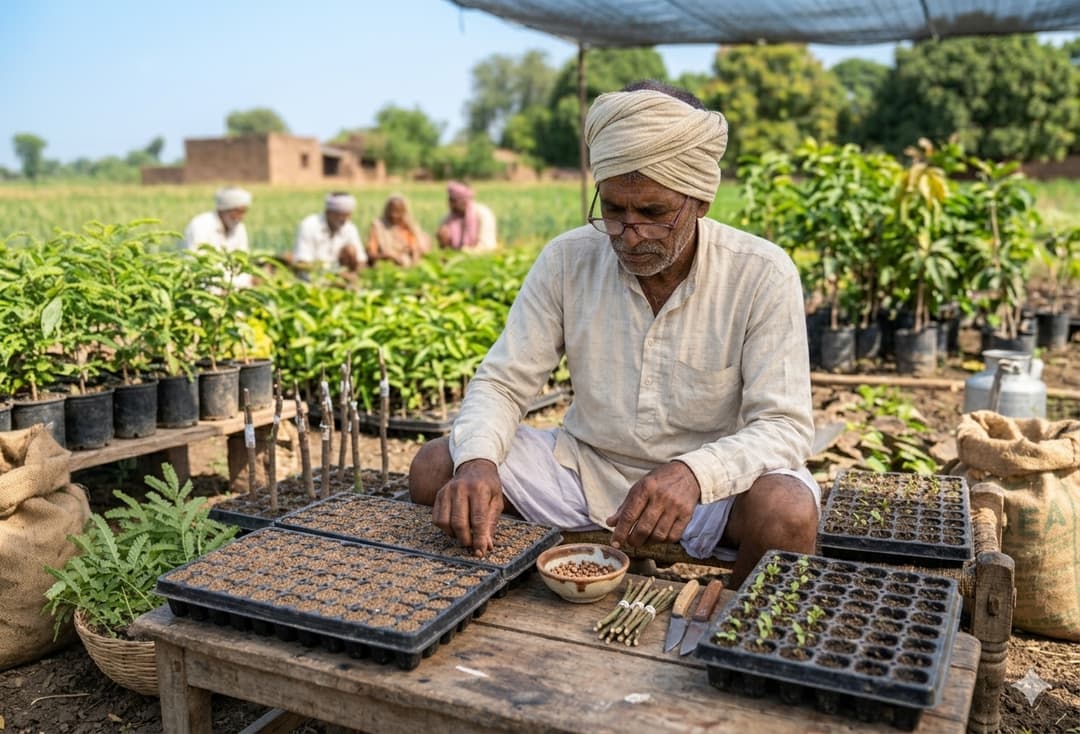
Amla plants can be propagated both by seed and cuttings. Propagating plants through cuttings is considered the best method. Amla plants can also be propagated by grafting and cutting methods. Grafting is done on one-year-old plants that are good and yielding. To grow seedlings from seeds, remove the seeds from dried fruits and soak them in Bavistin for 12 hours. After that, the seeds are placed in a nursery in a polythene bag mixed with fertilizer and soil. When the seeds sprout, they are planted in pits dug in the field when needed.
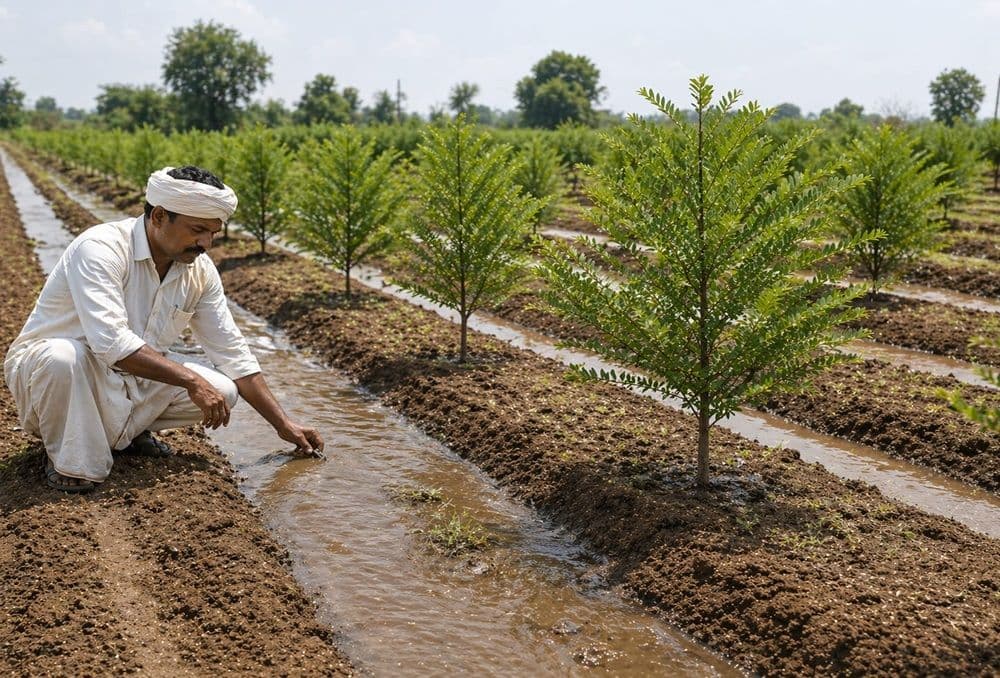
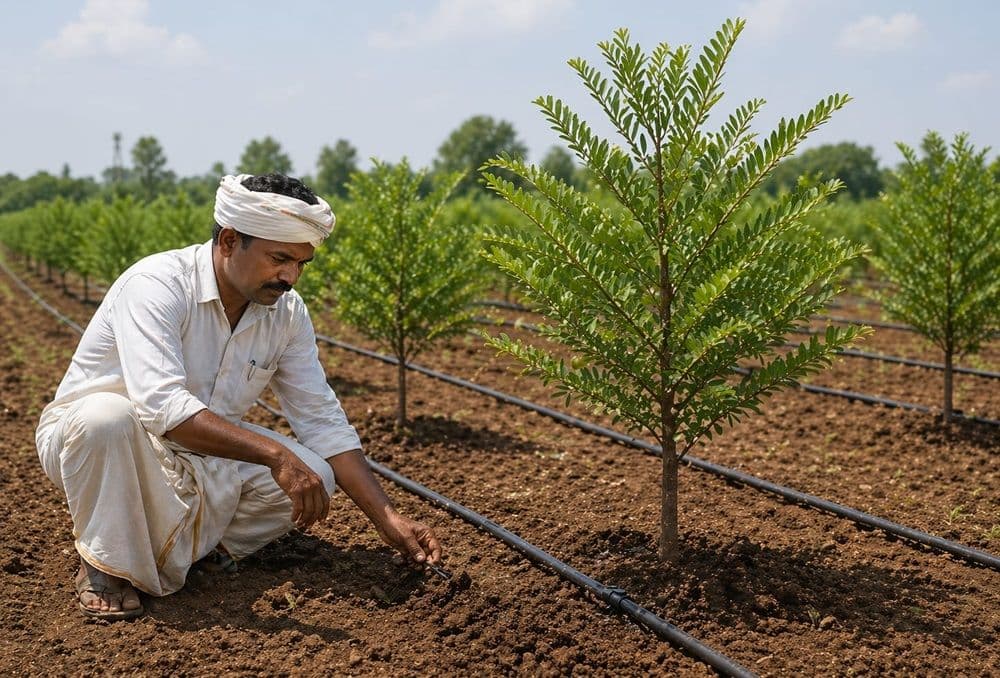
Amla plants require more irrigation in the first year. Farmers should use drip irrigation. Irrigation should be done weekly in summer and every 15 days in winter. During the rainy season, use your own discretion. Avoid irrigation once buds appear, or the flowers may fall off.
Apply manure annually. For a one-year-old plant, use 5–6 kg FYM, 100g Potash, 50g Phosphorus, and 100g Nitrogen. Increase this quantity every year. Split the dose—half in June-July and the other half in September-October.
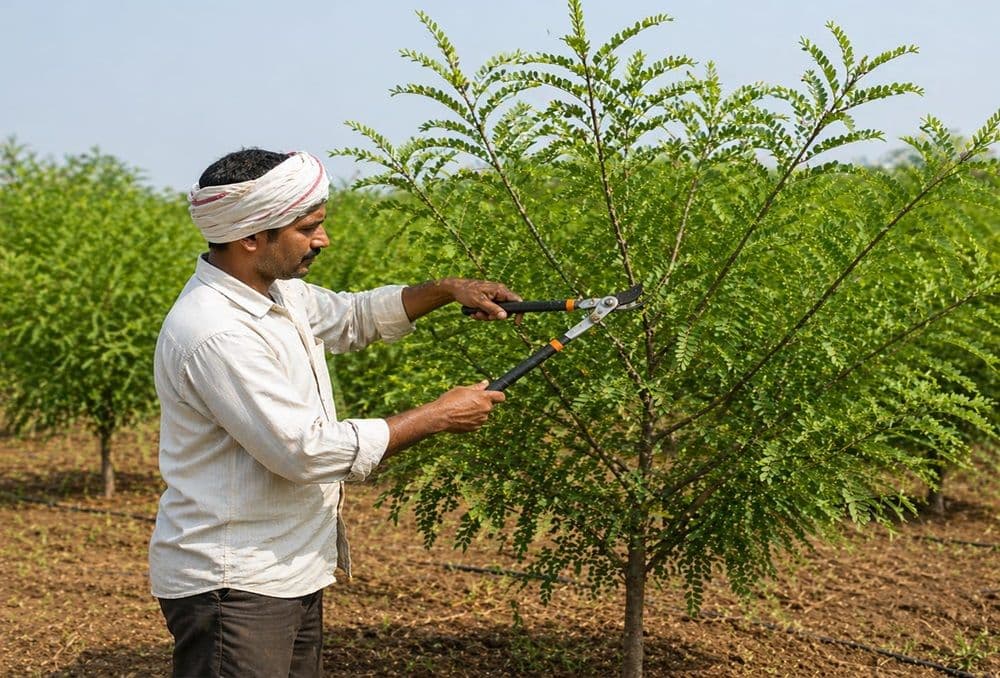
🛢Mulching effectively controls weeds. If weeds persist, remove them manually or by light hoeing. if the manual practices Weed can't be in controlled the you can use Alion plus as farmers practice without exposing the plants / trees please read label instructions before usage. ✂️Pruning: Start pruning once the plant reaches 3–4 feet to encourage lateral growth rather than just vertical height, leading to more fruit.
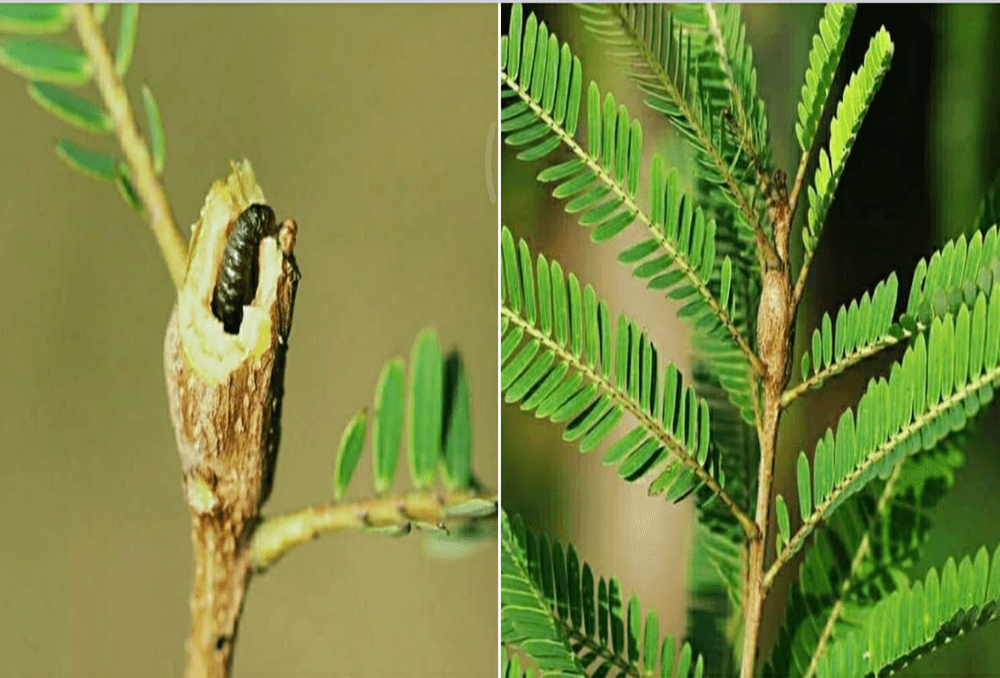
👉 Bark-Eating Caterpillar: Eats the stem and bark, stopping growth. Clean holes with a wire and inject Quinalphos (0.01%) or Fenvalerate (0.5%), then seal with cotton. 👉 Aphids (Mahua): Common in humid/cloudy weather. They suck sap from tender parts. Spray Neem oil (2 liters per 100 liters of water) twice at 15-day intervals.
👉 Shoot gall maker (gall-forming insect): The larvae of this insect invade the tips of new shoots, stunting growth. To control this, cut off affected shoots 5-7 cm below the base and burn them in a distant pit. 👉Amla Rust: Red spots on fruits and leaves. Spray Mancozeb for control. please read label instructions before usage. 👉 Internal Necrosis/Fruit Rot: Fruits turn black/brown inside. Use Boron at the roots to control this deficiency.
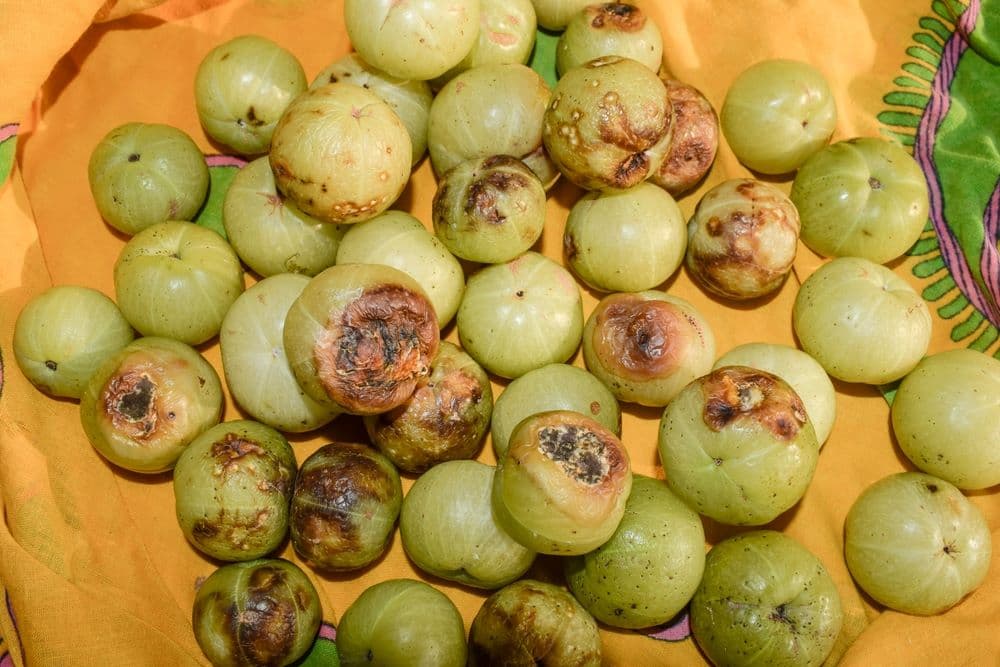
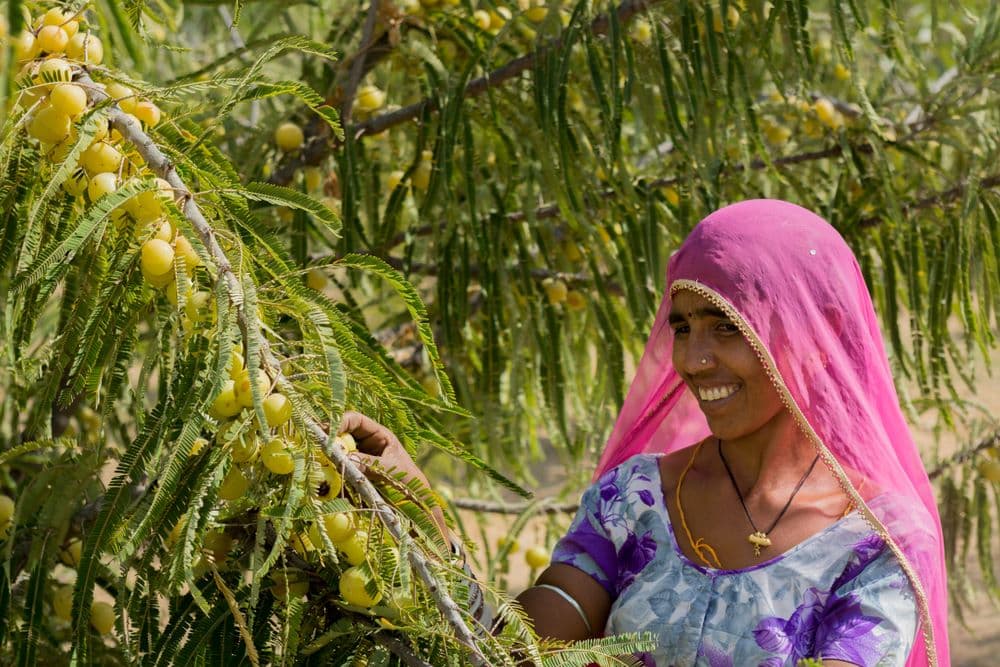
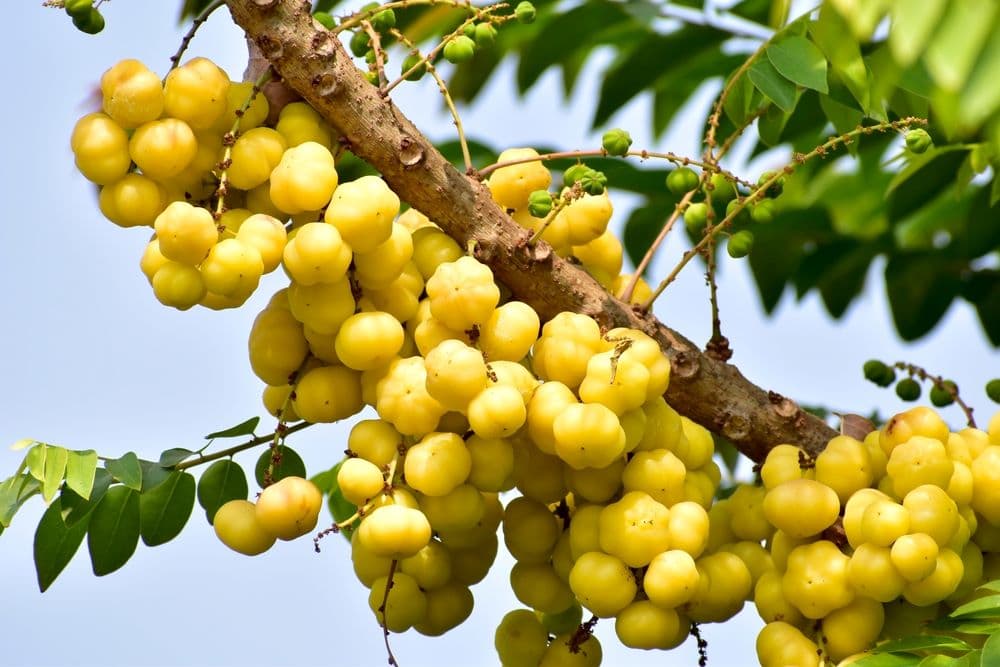
Trees start bearing fruit after 4–5 years. Fruits mature 5–6 months after flowering. Do not harvest green fruits; wait until they turn light yellow or amber. Wash them and dry them in the shade before selling. Income Potential: An average tree yields 110–135 kg. With approximately 200 trees per acre, total production can reach 20,000–22,000 kg. Even at a modest market price of ₹10/kg, a farmer can earn an income of ₹2 Lakhs per acre.
Thank you for reading this article, we hope you clicked on the 👍 icon to like the article and also do share it with your friends and family now!


